


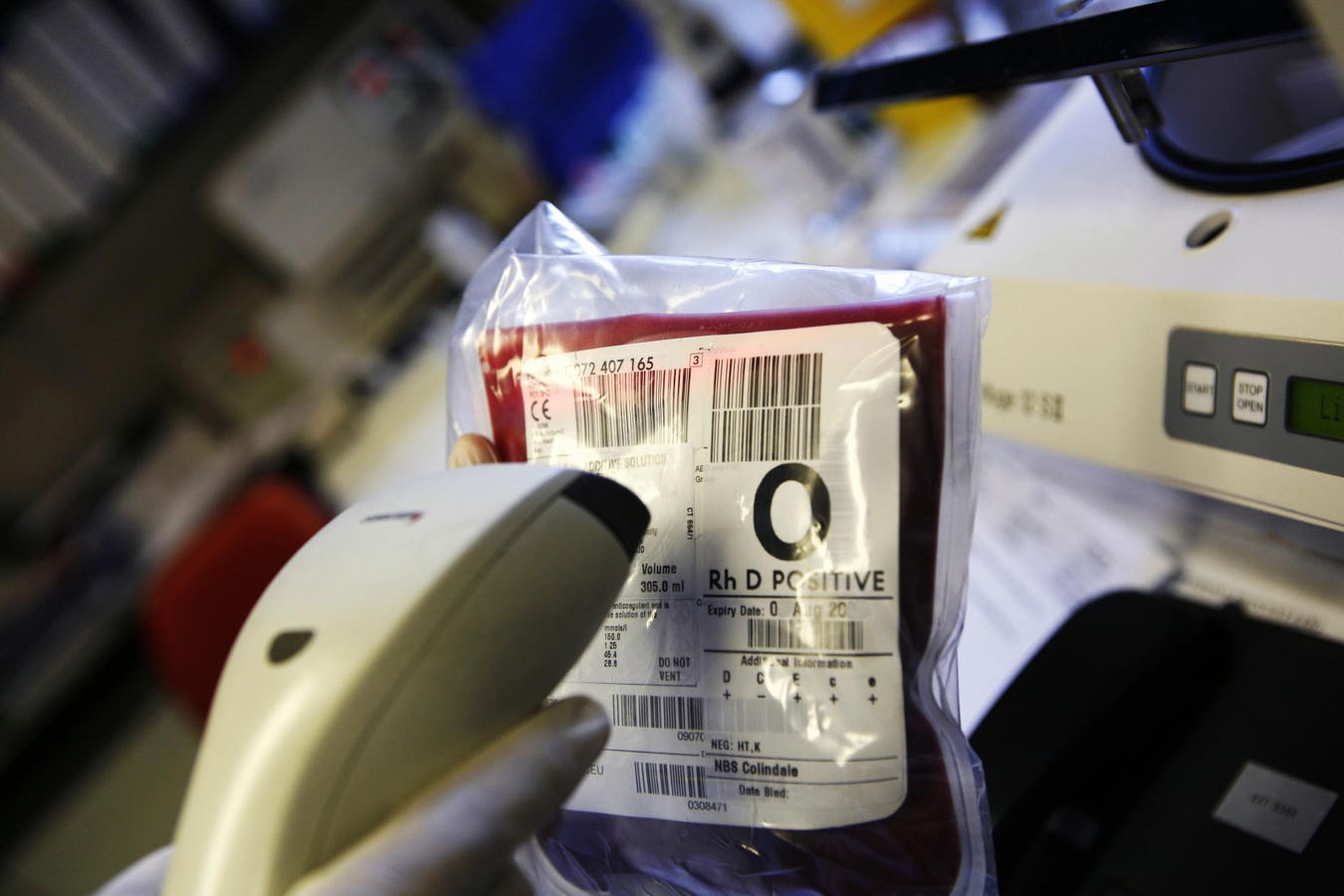
In January 2024, the American Red Cross reported a blood shortage as the number of U.S. blood donors hit an all-time low for the past 20 years. Between Christmas and New Year’s Day 2023, the Red Cross experienced a 7,000-unit shortage. Minor disruptions to the blood supply significantly impact the availability of blood products but also have dire consequences for people who need emergency blood transfusions.
HemoSonics, a North Carolina-based medical device company that provides individualized diagnostic solutions for Patient Blood Management (PBM), is working to reduce unnecessary blood product usage.
The company received 510(k) market clearance from the U.S. Food and Drug Administration (FDA) for its Quantra Hemostasis System with QStat Cartridge. The FDA clearance of the QStat Cartridge expands the product to include trauma and liver transplantation procedures.
Dr. Bruce Spiess, Medical Director of HemoSonics, says the blood supply has also been negatively impacted due to the COVID-19 pandemic. “Simply put, fewer people are choosing to donate blood, but implementing technologies like Quantra and adopting Patient Blood Management (PBM) standards and practices can make a significant difference in addressing blood supply challenges now and in the future.”
“Less blood utilized means less blood needed,” said Spiess.
Spiess says that this technology can minimize the use of generic transfusion regimens in massive hemorrhages that result in some patients being over-treated and others inadequately supported.
“Necessity drives innovation, and the use of point-of-care technology, like Quantra, helps clinicians make better and more informed blood transfusion decisions, makes transfusions safer, and positively impacts and improves patient outcomes,” said Spiess.
A better understanding
Before data-driven and ultrasound technology like HemoSonics’ Quantra, clinicians used laboratory-based testing, which required hours or more for results.
“Early versions of coagulation testing were difficult to interpret and continued to take too long to provide actionable data,” said Spiess. “The lack of available, actionable data resulted in the risk of increased use of critical coagulation blood products.
“Quantra is designed to enable near-patient testing and to optimize the availability of actionable and easy-to-interpret information in less than 15 minutes,” said Spiess.
Spiess says that Quantra can assist clinicians in understanding and managing acute bleeding better, assessing the potential causes of the patient’s bleeding status, and helping clinicians make informed decisions about the medically necessary treatment.
“Quantra provides critical information in real-time to assist clinicians in determining which blood products to use (if any), when to use them, and how much to use,” said Spiess. “The data-driven approach helps clinicians improve patient outcomes and reduce over-transfusions, backed by studies linked to increased morbidity rates.”
“The data also helps to reduce the waste of blood, which can be preserved for other patients in critical need,” he said.
Listening to blood
HemoSonics’ Quantra technology rings the blood like a bell with a high-frequency ultrasound wave. Spiess says it then ‘listens’ to the sound (echoes), interprets changes in the blood’s properties, and directly measures it as clots form, stiffen, and eventually dissolve.
“Quantra’s proprietary technology provides a unique and specific understanding of what is happening to the patient’s blood in real-time, which allows for more timely and accurate information and clinical decision-making,” said Spiess.
The Quantra system is currently used in several healthcare institutions, including Cedars Sinai Medical Center, University of Florida Hospital – Shands, and Pitie-Salpetriere Hospital, Paris, France.
“We have also partnered with leading clinicians and professional associations that are Patient Blood Management (PBM) practices that help preserve blood supplies around the globe through the appropriate utilization of best-in-class patient-centric standards,” said Spiess.
Read the full article here



