


Topline
Dexter Scott King, the youngest son of Martin Luther King Jr., is the most recent high-profile figure to struggle with prostate issues, and although prostate cancer is the second most common cancer in men, the side effects that it causes—like erectile dysfunction and infertility—have made it a taboo subject among men.
Key Facts
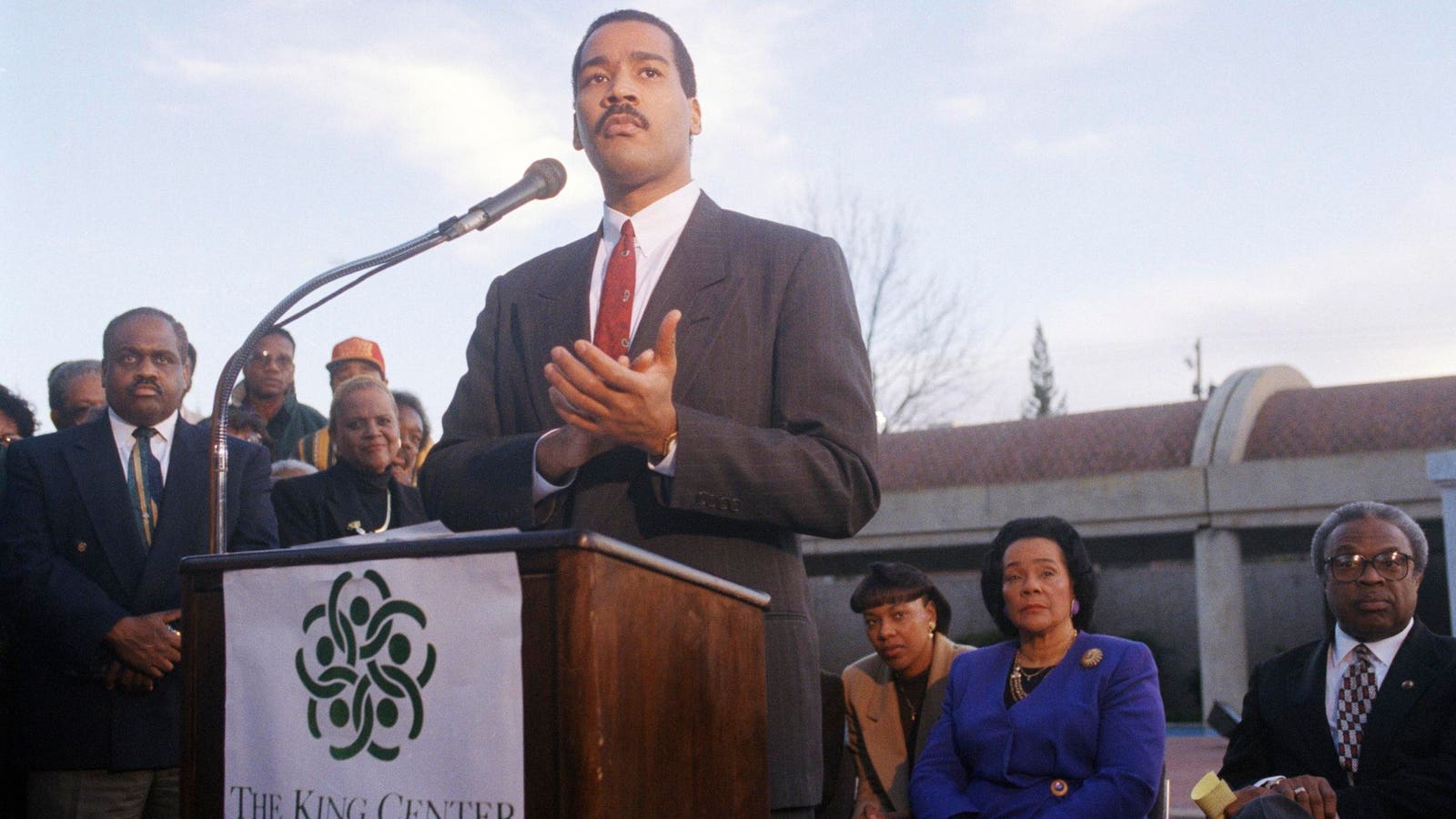
Dexter Scott King, Martin Luther King Jr. and Coretta Scott King’s youngest son, died Monday at the age of 62 from a “vigilant battle” with prostate cancer.
Defense Secretary Lloyd Austin fell ill after suffering complications like abdominal fluid from a minimally invasive prostate cancer surgery in December, and underwent surgery to drain the fluid on January 2—leading to a days-long hospitalization that wasn’t disclosed to the public or the White House for several days.
Buckingham Palace announced last week King Charles will undergo a corrective procedure for a benign enlarged prostate, though the Palace said it’s not cancerous.
Prostate cancer is the second most common cancer in men after skin cancer, according to the Centers for Disease Control and Prevention.
Prostate cancer was the second most diagnosed cancer in 2023 after breast cancer, and resulted in over 288,000 diagnoses in the United States in 2023, according to the National Cancer Institute.
Prostate cancer—which only affects men—forms when cells in the prostate gland start growing out of control, the American Cancer Society says.
Big Number
34,700. That’s how many people died from prostate cancer in 2023, according to data from the National Cancer Institute. That makes it the fifth deadliest cancer of 2023—and the second-deadliest among men, after lung and bronchus cancers. Although prostate cancer can be a serious issue as one in 44 men die from the disease, most don’t, according to the American Cancer Society.
Key Background
The prostate is a small organ below the bladder and in front of the rectum. Its main purpose is to produce seminal fluid, which helps nourish and transport the semen. Black, non-Hispanic men are the most at risk, with 154.7 cases out of 100,000 people, compared to 95.4 out of 100,000 in white men. Black men are also twice as likely to die from prostate cancer than any other group of men. Men 65 years and older are the most commonly affected, though men between 70 and 74 have higher rates of prostate cancer than any other age group. There are four kinds of prostate cancers, but the most common kind is adenocarcinomas, which cause upwards of 99% of all prostate cancer cases in the U.S. Symptoms include difficulty urinating, weak or interrupted urine flow, blood in the semen or urine, pain or burning during urination, issues emptying the bladder fully, painful ejaculation, pain in the hips, pelvis or back that won’t go away and frequent urination, especially at night. Around 3.3 million men diagnosed with prostate cancer at some point in their lives are still alive. The death rate fell by almost 50% between 1993 and 2013, mainly due to advancements in treatment and earlier detections.
Tangent
Side effects of prostate cancer treatment include erectile dysfunction, urinary dysfunction, infertility, hormonal issues and bowel dysfunction. Patients may feel embarrassed because side effects affect private parts of their lives, leading to taboo feelings associated with prostate cancer, according to the Prostate Cancer Foundation. These side effects can lead to “loss of confidence and feeling emasculated” in some men, according to U.K.-based organization Prostate Cancer Research. About 26% of men with prostate cancer struggle with mental health problems directly associated with their treatment, though most aren’t comfortable discussing these issues with their friends and family, PCR found.
Further Reading
Martin Luther King Jr.’s Youngest Son, Dexter Scott King, Dies At 62 (Forbes)
Surgery Causing Lloyd Austin’s Absence Was For Prostate Cancer Treatment, Doctors Say (Forbes)
King Charles Will Undergo Prostate Procedure, Palace Says (Forbes)
Read the full article here



