


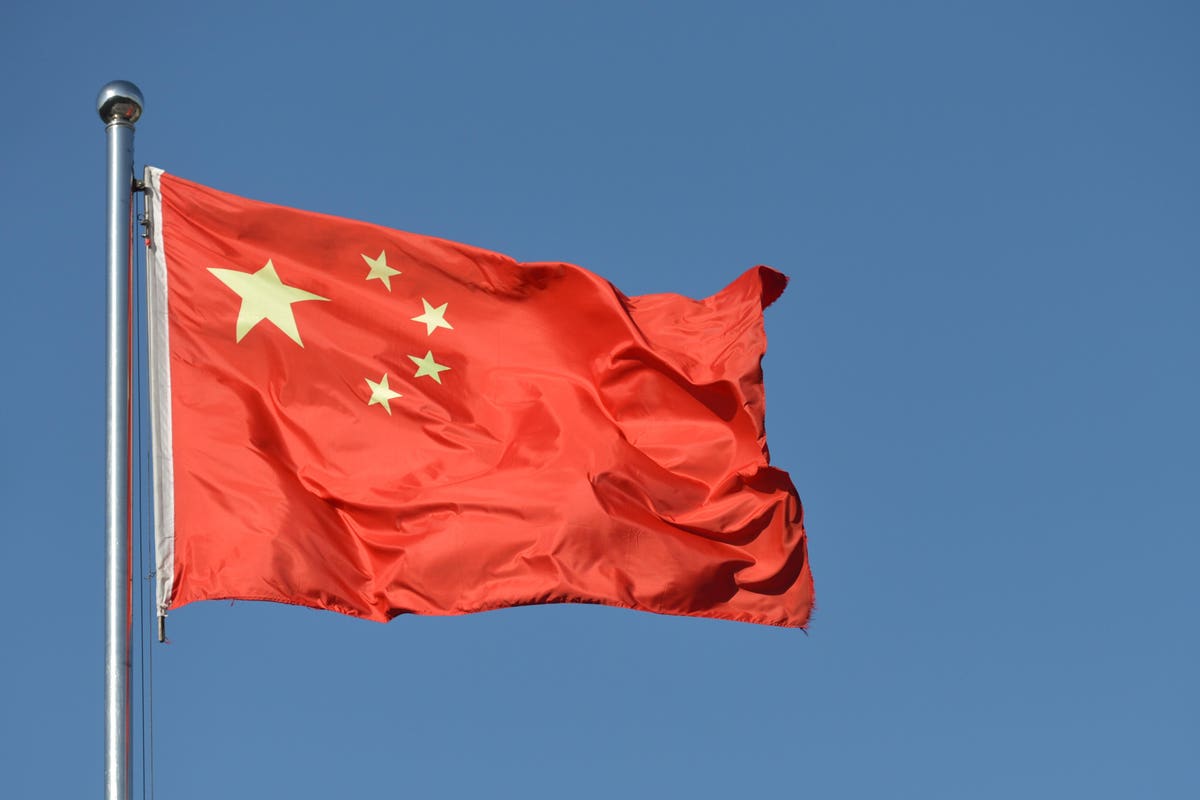
China is using AI-generated images to try to influence U.S. voters, says Microsoft, and users are increasingly falling for it.
In a new report – Sophistication, scope, and scale: Digital threats from East Asia increase in breadth and effectiveness – the company warns that Chinese state-affiliated hacking groups have been automatically generating images it can use for influence operations.
The idea is to mimic voters across the political spectrum and fuel controversy along racial, economic, and ideological lines, using diffusion-powered image generators.
“We have observed China-affiliated actors leveraging AI-generated visual media in a broad campaign that largely focuses on politically divisive topics, such as gun violence, and denigrating U.S. political figures and symbols,” says Clint Watts, general manager of Microsoft’s Threat Analysis Center in a blog post.
“This technology produces more eye-catching content than the awkward digital drawings and stock photo collages used in previous campaigns.”
Worryingly, though, even when the images are of poor quality, social media users still seem to be falling for them, with Microsoft saying that even six-fingered hands haven’t stopped them being reposted frequently.
Beyond the U.S., China is mostly concentrating its efforts on countries around the South China Sea, according to the report. The main group carrying out these operations is Raspberry Typhoon, which targets government ministries, military entities, and critical infrastructure companies, particularly telecoms.
“Other actors have targeted the U.S. defense industry and U.S. infrastructure, looking for competitive advantages to bolster strategic military aims,” says Watts.
China is also jumping on the social media influencer trend, with what the government calls “multilingual internet celebrity studios”. Through these, says Microsoft, more than 230 state media employees and affiliates are masquerading as independent social media influencers across all major Western social media platforms.
And, it says, they’ve achieved a combined following of at least 103 million across multiple platforms, speaking more than 40 languages.
Chinese misinformation campaigns are nothing new – two years ago, security firm FireEye uncovered a social media campaign urging Asian Americans to mobilize against Chinese businessman and anti-government activist Guo Wengui.
More recently, Meta warned of a misinformation campaign targeting 50 apps, and involving more than 7,700 Facebook accounts.
The report also examines the continuing cyber threat from North Korea, which is centred on gathering intelligence on South Korea, the U.S., and Japan – along with gaining cryptocurrency funds for the state.
“Several of North Korea’s threat actors have targeted the maritime and shipbuilding sectors, suggesting this as a high-priority area for the North Korean government,” says Watts.
“Additionally, multiple North Korean threat actors have recently targeted the Russian government and defense industry – likely for intelligence collection – while simultaneously providing material support for Russia in its war on Ukraine.”
Looking ahead, says Microsoft, we should expect to see continuing misinformation efforts, along with wider cyber espionage against both opponents and supporters of the CCP’s geopolitical objectives on every continent.
“With upcoming elections in 2024, Taiwan and the United States are likely to remain top priorities for China,” says Watts.
Read the full article here



