


As of today, July 1st, Cyltezo (adalimumab-adbm) is commercially available in the U.S. It is the first and thus far only therapeutically interchangeable Humira-referenced biosimilar approved by the Food and Drug Administration (FDA).
As a quirky feature of the U.S. market, not having a therapeutic interchangeability designation is considered an important impediment to physician and patient confidence in biosimilars. As such, Cyltezo may gain a distinct marketing advantage over other Humira-referenced biosimilars, such as Amjevita and soon to launch Yusimry.
This month, five more Humira biosimilars are expected to launch besides Cyltezo. But none of the others have a therapeutic interchangeability classification.
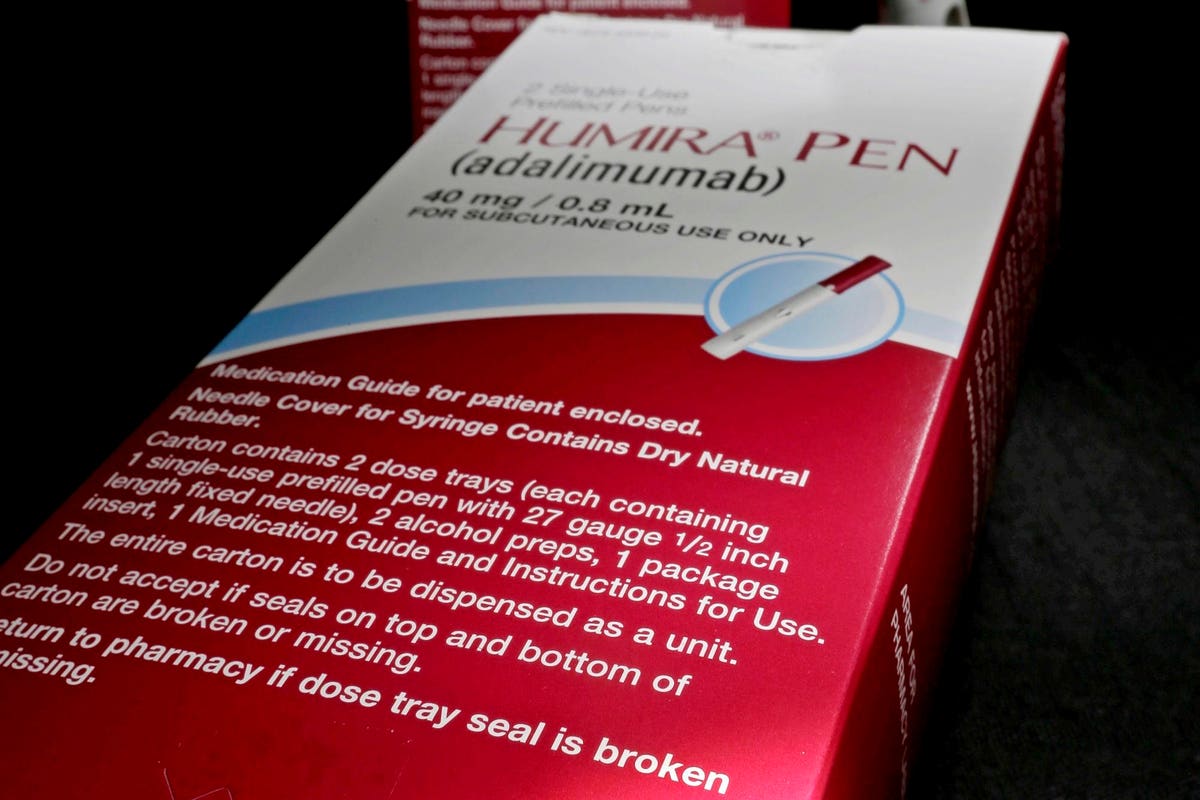
The originator monoclonal antibody Humira (adalimumab) is used to treat multiple autoimmune and inflammatory diseases, including among others rheumatoid arthritis, Crohn’s disease, and ulcerative colitis. Humira has been a massive blockbuster and was able to hold off biosimilar competition until this year, despite there being more than a half-dozen FDA-approved biosimilars since 2017. Unlike the European market—where biosimilars launched beginning in 2018—in the U.S., as a result of a protracted legal process, Humira retained its monopoly until 2023.
In Europe, Humira-referenced biosimilars have been on the market for almost five years and performed very well from an uptake perspective. They quickly encroached upon Humira’s market share and in fact became dominant across many jurisdictions. Biosimilars did this without there being an official regulatory classification of therapeutically interchangeability in Europe or the U.K.
Therapeutic interchangeability as a separate FDA regulatory designation for biosimilars—besides proving biosimilarity—is unique to the U.S. The European Medicines Agency, for example, does not have such a classification.
Biosimilarity establishes that there are no clinically meaningful differences between the safety and efficacy profile of an originator biologic and its referenced biosimilar. In the U.S., to obtain a therapeutic interchangeability designation from the FDA, the biosimilar sponsor must submit additional data from a switching study.
A biosimilar may be substituted at the pharmacy for the reference product without the intervention of the prescribing healthcare provider—similar to how small molecule generics are routinely substituted for brand-name drugs—only if deemed therapeutically interchangeable by FDA.
In Europe, on the other hand, once any biosimilar is approved it is considered interchangeable. There are no switching studies.
The added regulatory layer in the U.S. may be causing doctors in the U.S. to be reticent about prescribing biosimilars that haven’t undergone switching studies.
A recent AmerisourceBergen survey also shows that interchangeability is a major factor in U.S. payers’ decisions about covering biosimilars. “When it comes to adoption, interchangeability was reported to be the game changer, even more so than being first to market.”
The pharmacy benefit manager Optum Rx has added Cyltezo to its formulary, in addition to two other biosimilars. They will be on formulary at parity with the originator, Humira. Not granting the biosimilars preferred positioning relative to Humira is conspicuous. On the face of it, a cheaper biosimilar should get preference over a more expensive originator. Perhaps the equivalent formulary status has to do with rebate deals which Humira’s manufacturer, AbbVie, struck with Optum Rx.
In the U.S., rebates can play a role in perpetuating the suboptimal market for biosimilars. In January, for example, Amjevita (adalimumab-atto) became the first Humira-referenced biosimilar to launch in the U.S. The sponsor, Amgen, launched both a high-list/high-rebate and a low-list/low-rebate version. Optum Rx decided to place the high-list/high-rebate biosimilar on formulary and exclude the lower cost version.
Other things equal, Cyltezo may be given a preference by physicians and patients over other Humira-referenced biosimilars, owing to its standing as a therapeutic interchangeable agent. And, when compared to Humira, patients’ co-insurance may be lower because Cyltezo’s list price is less than Humira’s. A patient’s co-insurance is calculated on the basis of a percentage of the list price of a product.
Read the full article here