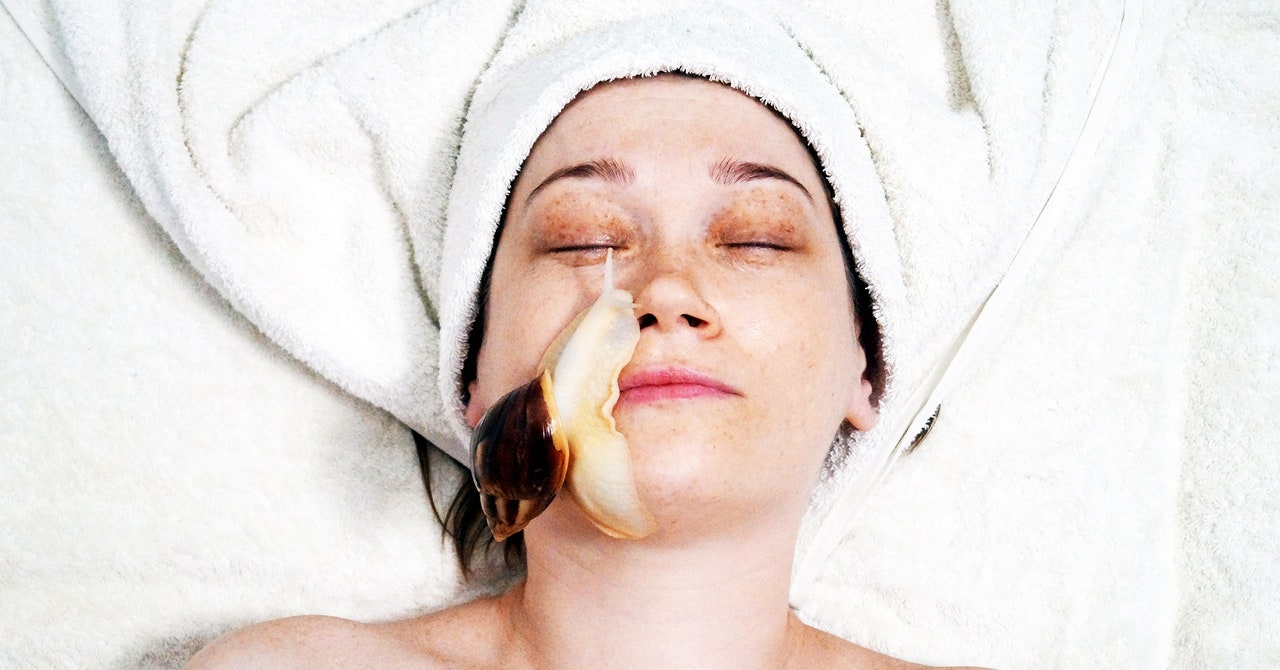
Snail mucin, for the uninitiated, is part of a skin-care regimen that’s meant to leave faces glowing and hydrating. Yes, it’s snail slime, and it’s exactly the sort of product primed to explode on TikTok—where skin-care content is king and millions of people watch as influencers dab serums and gels and makeup on their dewey faces.
But as snail slime explodes in popularity on TikTok Shop, many are wondering if they’ve been duped. People are posting videos of two versions of the product labeled as COSRX, a Korean skin-care company, side by side and asking a simple question: Is it the right kind of slime?
COSRX did not respond to a request for comment, but the company did reshare one influencer’s video alleging a scam on its TikTok, and said, “Warning! Numbers of fake COSRX products are sky-rocketing.” It encouraged people to buy from “authorized sellers,” but did not specify where.
On TikTok Shop, which began rolling out to all the app’s US users this week, a lot of the prices look too good to be true. At the cosmetics store Ulta, the COSRX snail mucin costs $25. On Amazon, it’s marked down to about $16. But one seller on TikTok lowered the cost to $5 and sold 37,000 bottles, according to the listing on the shop. Another has sold more than 40,000 bottles for around $15 each. Counterfeit and fake products are banned from the shop.
Jamie Favazza, a TikTok spokesperson, says she could not confirm whether the COSRX products in a video flagged by WIRED were real or fake, as the person complaining about alleged fake products did not say which seller they came from. But the problem doesn’t stop with snail slime; there are allegedly fake brand-name perfumes and trendy to-go cups. TikTok Shop is also filled with cheap clothing and household items from third-party sellers. In searches, WIRED found several examples of products prohibited by TikTok’s terms being sold, including menstrual products and prenatal vitamins. Favazza says two products flagged by WIRED under this category have now been removed.
As TikTok’s retail ambitions grow, the catch-all shop is so far shaping up as an unwieldy and chaotic competitor to ecommerce giants like Amazon. TikTok has ambitions to bring in $20 billion in merchandise sales this year. But that success is threatened by uncertainty over these potentially fake or shoddy products.
The number of prohibited or questionable product offerings “shows that TikTok is irresponsibly rushing into this expansion, if consumers can’t trust the products online,” says Olivia Little, a senior investigative researcher at Media Matters for America, a media watchdog group. “It’s really dangerous when the platform is being irresponsible in terms of product approval.”
Other people are complaining that they may have been tricked into buying fake Stanley cups—the viral to-go mugs, noting that the handle’s placement seems amiss and a straw cover doesn’t fit. Stanley declined to comment on the videos. Several people posted videos saying their Sol de Janiero perfumes came and lacked a scent or had an off-putting one. The company did not respond to a request for comment.
Read the full article here