


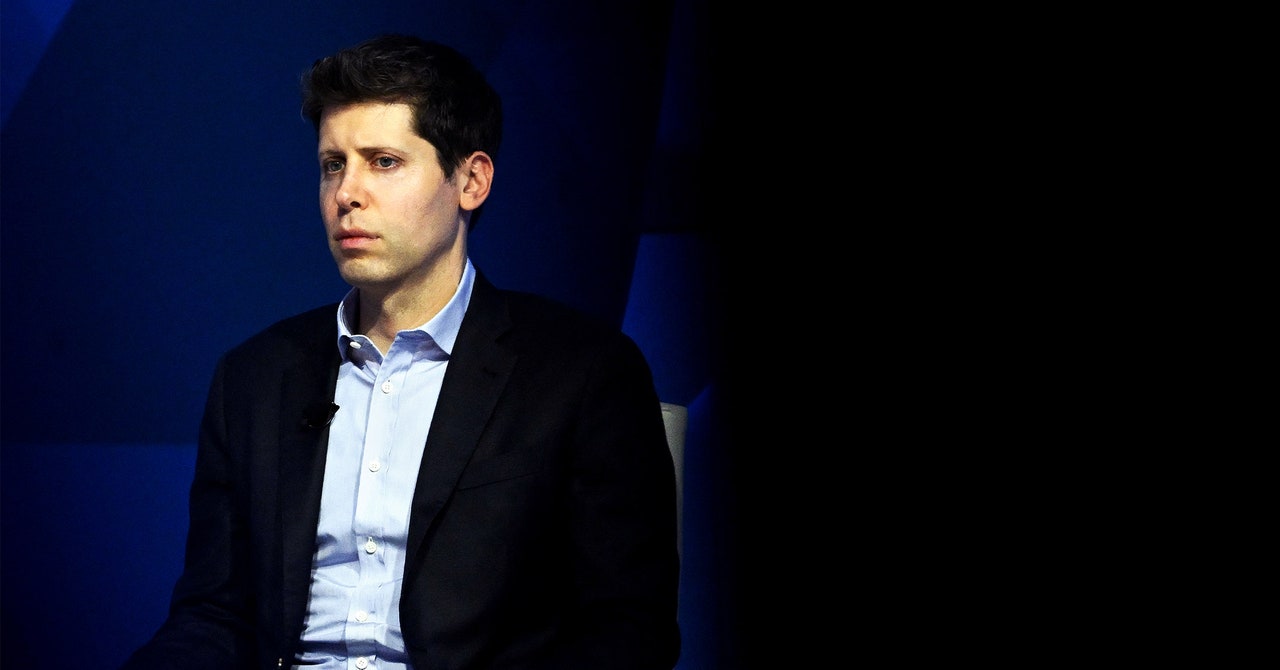
More than three days after OpenAI was thrown into chaos by Sam Altman’s sudden firing from his post as CEO, one big question remains unanswered: Why?
Altman was removed by OpenAI’s non-profit board through an unconventional governance structure that as one of the company’s cofounders he helped to create. It gave a small group of individuals wholly independent of the ChatGPT maker’s core operations the power to dismiss its leadership, in the name of ensuring humanity-first oversight of its AI technology.
The board’s brief and somewhat cryptic statement announcing Altman’s departure said the directors had “concluded that he was not consistently candid in his communications with the board, hindering its ability to exercise its responsibilities.” Altman was replaced by CTO Mira Murati who was appointed interim CEO. Greg Brockman, like Altman an OpenAI cofounder, was removed from his post as chair of the board and quit the company in solidarity with Altman several hours later.
There have been many twists and turns since Friday, with Altman making a failed attempt to return as CEO, the board replacing Murati as interim CEO with Twitch cofounder Emmett Shear, Microsoft announcing it would hire Altman and Brockman, and almost every OpenAI employee threatening to quit unless Altman returned.
None of them have shed much light on what Altman did or did not do that triggered the board to eject him. An OpenAI staff member speaking on the condition of anonymity Monday says that the board has communicated virtually nothing about its thinking throughout the crisis.
Along the rollercoaster ride of the past few days, several possible reasons for Altman’s removal have been seemingly eliminated. In a memo to staff sent over the weekend, OpenAI’s chief operating officer, Brad Lightcap, said that the board’s decision “was not made in response to malfeasance or anything related to our financial, business, safety, or security/privacy practices. This was a breakdown in communication between Sam and the board.”
That appeared to rule out the possibility that Altman had been felled by a conventional corporate scandal involving duplicity or rule breaking related to financial or other workplace policies. It helped fuel a hypothesis that gained ground in some corners of the AI community over the weekend that OpenAI cofounder and chief scientist Ilya Sutskever and his fellow board members had instead acted out of fear OpenAI was taking risks by developing its technology too hastily.
OpenAI’s odd governance structure was designed to give its board the power to rein in its for-profit arm. The directors’ primary fiduciary duty is to the company’s founding mission: “To ensure that artificial general intelligence benefits all of humanity.” Some following the drama saw hints in recent interviews by Sutskever about OpenAI’s research that he might have been anticipating a breakthrough that raised safety concerns. The New York Times reported that unnamed sources said Sutskever had become more concerned that OpenAI’s technology could be dangerous and felt Altman should be more cautious.
Read the full article here





