


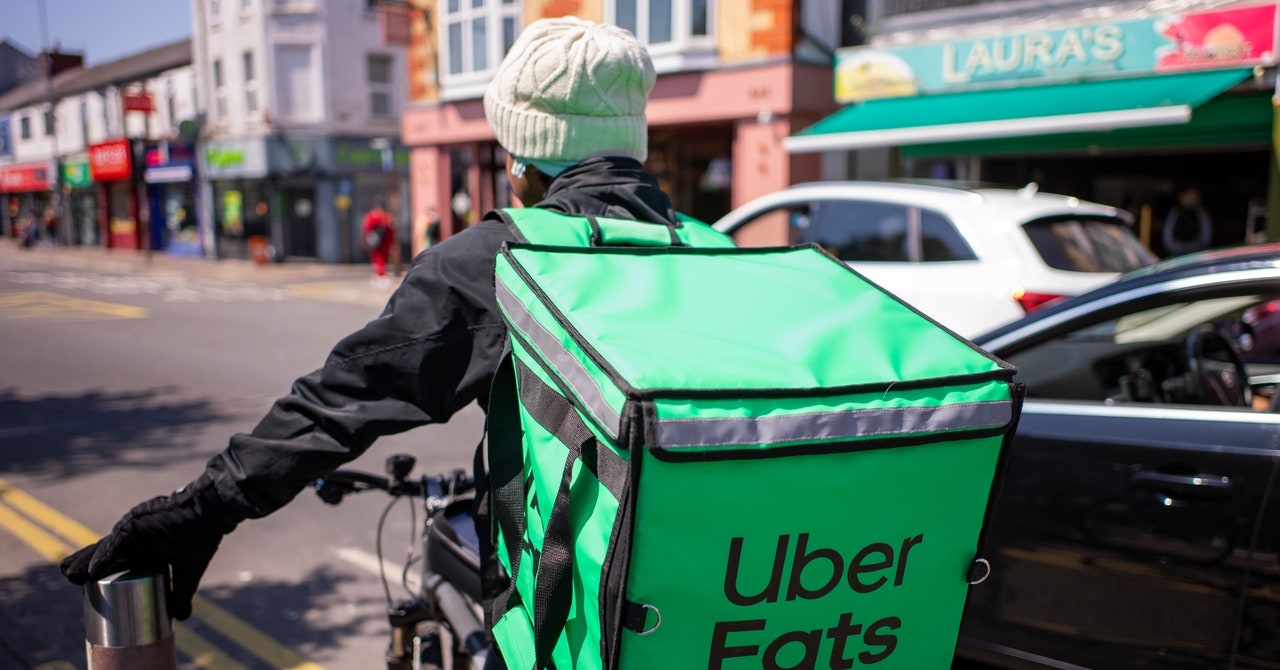
Platform workers can no longer be fired automatically by algorithms, according to new European Union rules agreed today in a sweeping reform of the gig economy that will affect Uber drivers and Deliveroo couriers.
“Now we have a proper system, which is something that doesn’t exist anywhere else around the world,” said Elisabetta Gualmini, an Italian politician who led the negotiations for the European Parliament, in a press conference on Wednesday. She described the new rules as a real improvement in the labor rights for millions of workers.
“We do not want an inhuman labor market,” she said, citing the case of a delivery rider in Italy who was fired last year via an automatic email because he did not complete a delivery. The reason? He had been killed just hours before in a road accident. The platform involved, Glovo, told his family at the time it had been a mistake.
The issue of platform work is an existential issue for Europe, Gualmini said. “We are not against changes in innovation,” she added. “But we think that we have to manage these big transitions and transformations in order to protect workers.”
Negotiators from the EU’s three branches of government—the Council, the Commission and the Parliament—debated for 11 hours, through Tuesday night, to agree sweeping reform of the platform economy and the rules governing the EU’s 28 million platform workers, who include taxi drivers and food delivery couriers. The deal is a provisional agreement which means it still needs to be signed off by European governments and politicians sitting in the European Parliament.
The new rules also attempt to clarify whether platform workers are employees entitled to sick pay, holiday pay and pension contributions, or self-employed free agents, who are not.
“If you are completely dependent on an algorithm, a machine, for the organization of work, your breaks, the speed with which you have to deliver things and your vacations, it is very hard to consider yourself self-employed,” Gualmini said. “So you are a worker, you are an employee, and you deserve to have social rights.”
The platform work directive now states that workers should be legally considered as employees if their relationship with the platform paying them meets two of the following five criteria: if the platform allocates their tasks, restricts working hours, limits their earnings, supervises their performance, or imposes rules about their conduct or appearance.
Read the full article here





