


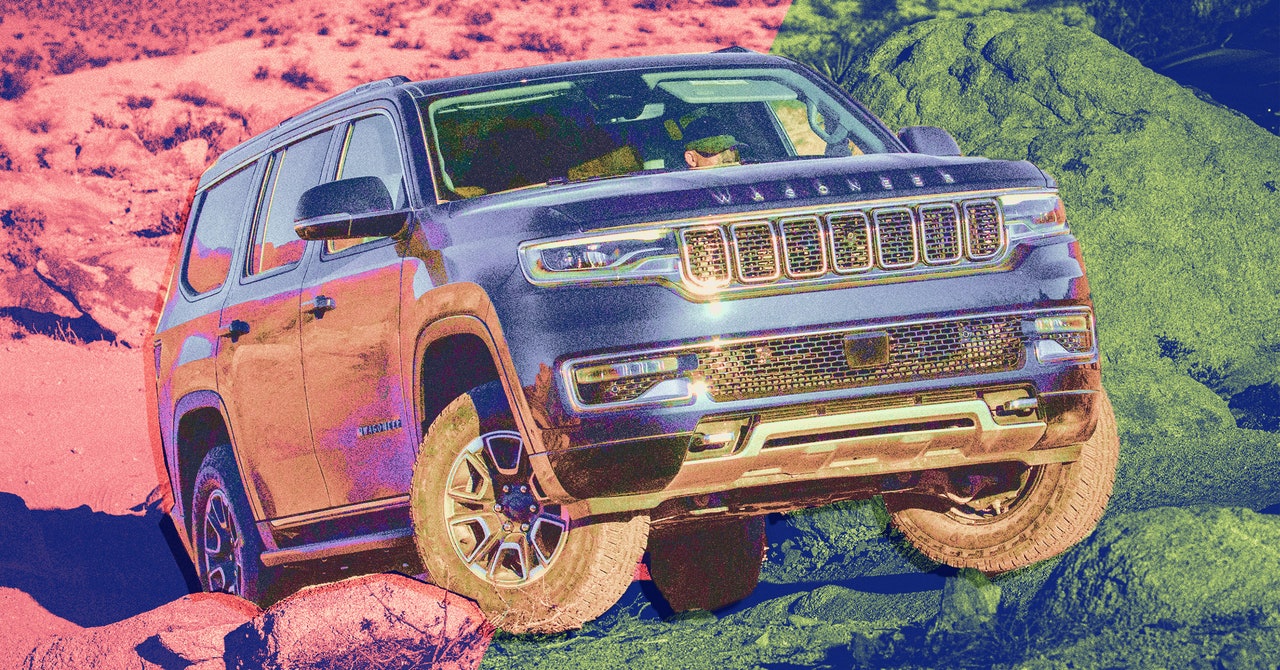
It’s not just you: American cars have gotten bigger. Over the past two decades, growing numbers of US buyers have turned in their sedans for SUVs and pickup trucks. And those SUVs and pickups have grown ever more hulking. The electrification of driving isn’t slowing the growth spurt. Batteries are heavy, and many carmakers are prioritizing their most popular vehicles to convert into EVs—focusing on larger pickups and crossovers.
Larger vehicles require more materials to make and more energy to propel, and they wear down infrastructure quicker. Researchers have suggested they may have caused the jump in US road deaths since the pandemic, especially of pedestrians, that is unequaled elsewhere in the world. The laws of physics mean heavier cars cause more damage when they hit things, and bigger vehicles can have larger blind spots. (Plenty of other factors, including smartphone use and bad road design, influence road safety.)
Ned Curic is chief engineering and technology officer at Stellantis, the globe’s fourth-largest automaker, which owns brands including Jeep, Chrysler, Ram, and Alfa Romeo. He acknowledges that the gigantic car situation is not ideal. He elicited pleased murmurs this summer from road safety experts—not always carmakers’ biggest fans—when he said that he was frustrated by cars’ ballooning sizes. (The phenomenon has even crossed into Europe.) In a recent interview, he told WIRED that his engineering teams are looking for lighter-weight technologies, about the smaller vehicles he’s excited about (spoiler: you can’t buy them in the US), and what can be done about road deaths. This interview has been edited for length and clarity.
Aarian Marshall: Does vehicle weight matter to you and to automakers?
Ned Curic: I’m a trained engineer, and since I was a student materials and weight has been an interest. One of my first jobs was in the defense industry where we deal with satellites and things shipped into space. That weight, the payload, is a really big issue. You’re optimizing grams of weight.
In new electric-battery-powered vehicles, the battery adds a significant amount of weight. And with that, you get bigger tires, you get bigger suspension, you get a bigger frame. It’s a negative vortex that drives additional weight. Then we have this push to reduce carbon and the total impact on the planet. We have to deal with the environmental impact sooner or later, so why don’t we get ahead of it?
Read the full article here





