


Lithium might be the new oil, but it’s just one of several materials needed to make the batteries powering today’s electric vehicles.
There’s also cobalt, nickel and manganese, all of which have garnered their share of attention from commodities traders and policymakers alike. But one material that doesn’t get a lot of press and yet makes up 16% of a typical lithium-ion battery by weight is graphite, which is used for the anode or negative terminal.
China is the world’s largest supplier of graphite, controlling 75% of both synthetic and natural graphite supply chains, according to Benchmark Mineral Intelligence. Just last week, the Chinese Communist Party moved to restrict exports to the U.S. in response to the Biden administration’s decision to reduce Chinese firms’ access to advanced semiconductors.
“China basically overrules the market right now,” said Gary Urb, co-founder and CEO of Up Catalyst, a startup specializing in making graphite from carbon dioxide.
What’s more, graphite refined in China releases 17 tons of carbon pollution for every ton that’s produced, far more than lithium that’s been refined from brine. Given that 40% of a battery’s carbon footprint can come from highly polluting sources of graphite, reducing graphite’s impact can go a long way toward improving the sustainability of EVs.
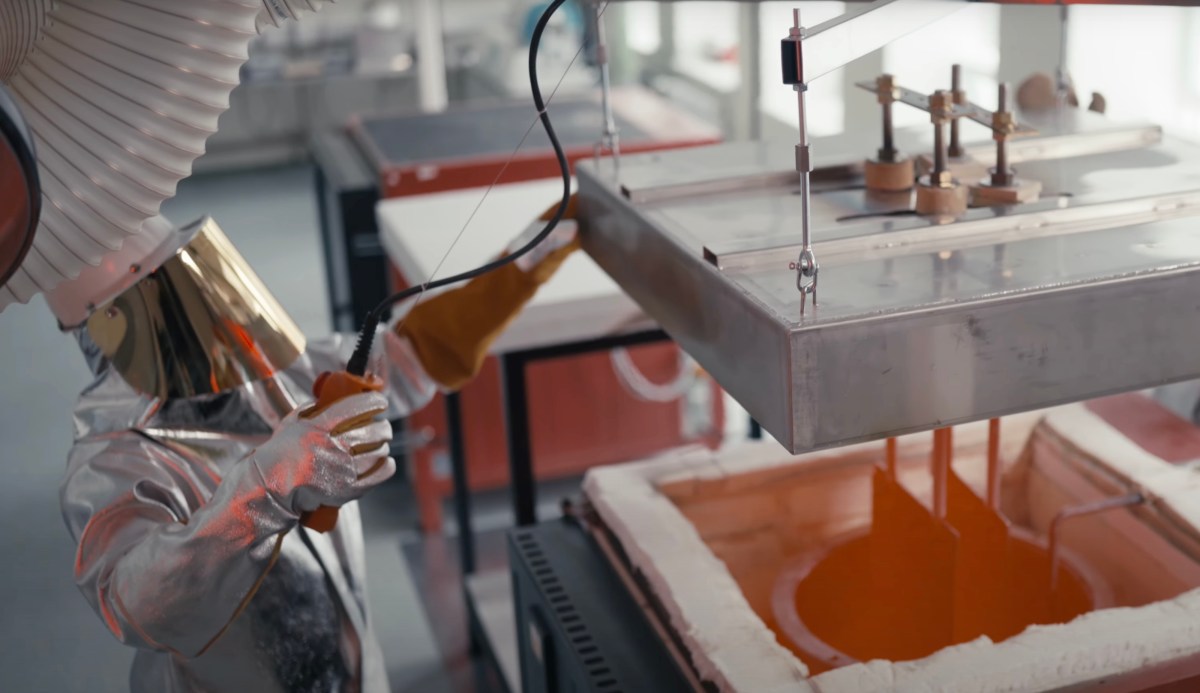
To do that, researchers have been exploring ways to make graphite using carbon dioxide. Urb and his colleagues stumbled upon one such method almost by accident: They had created a method for producing graphite that could be used in hydrogen fuel cells. When they took that technology to different startup accelerators, the coaches there pushed them to look at other target markets.
Read the full article here