


The heyday of rhythm-action games is long behind us–when titans like PaRappa the Rapper, Um Jammer Lammy, Vib Ribbon, and Bust-a-Groove ruled the roost–but there are regular new takes on the formula, even if today’s standards are more hectic thanks to Metal Hellsinger, Hi-Fi Rush, Beat Saber, or Pistol Whip.
Melatonin, which landed on PS5 this week, sits somewhere between old and new entries in the genre, returning to the hyper-simple roots of the 90s while still putting a unique stamp on tried-and-tested mechanics. It somehow manages to deliver an experience that can be serene and exasperating in equal measure–and one you’ll find hard to put down.
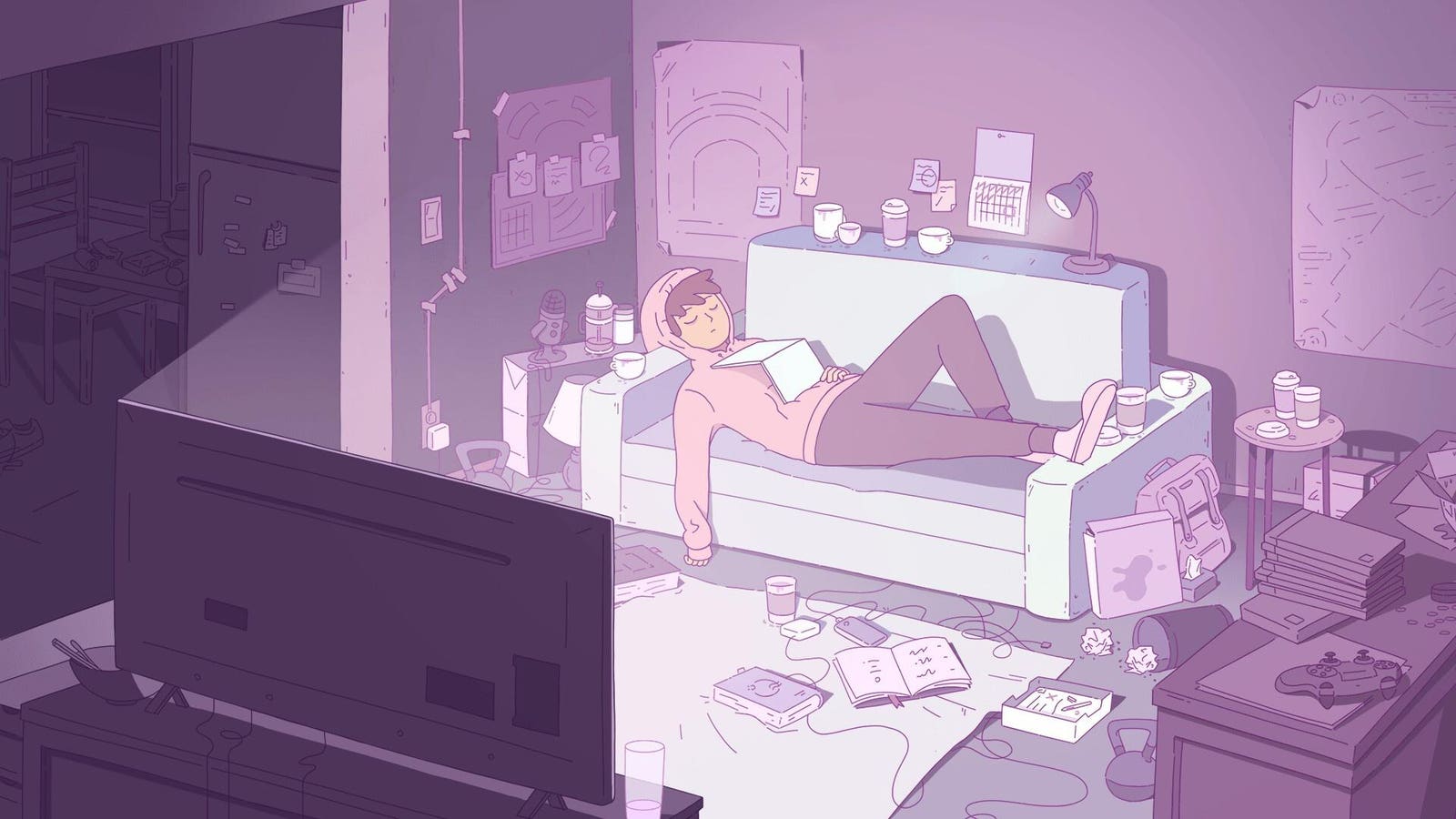
The whole premise of Melatonin is delightfully straightforward: you’re a teenager who falls asleep on their couch, disappearing into a dreamworld of beat-based puzzles themed around Gen-Z’s biggest hits: food, dating, technology, exercise, shopping, and more.
Each one of these sections takes place in a hazy, pinkish-purple pastel world with mesmerizing interpretations of each topic: swiping a credit card in time with purchases; eating pizza that’s being fired into your face; burning dozens of photos; or smashing alarm clocks into another dimension.
Melatonin differs from its predecessors by removing classic button prompts, forcing you to trust visual patterns and react accordingly with taught techniques in short, pre-level tutorials. It’s a clever idea that elevates the game’s artistic interpretation of dreams, and one that feels so much more satisfying to play, as you’re forced to trust your eyes and ears rather than an obvious cue.
These lessons aren’t definitive, either–while you’re taught how the inputs work with movements and motifs, what follows in the stages is often presented in slightly different ways, making you think on your feet and adding an extra level of challenge.
Unlike many rhythm-action games, Melatonin is a little less brutal with timing requirements for those coveted perfect button bashes, but you can be damned sure you’ll ruin most of your runs with a couple of early or late responses. Thankfully, the length of levels sits in a sweet spot: short enough to stop you from restarting a run after a mistake, but long enough that you still feel like you’ve been on a small journey.
Once you’ve had a passable run and got the stars to show for it, you can ramp things up with a harder mode. Weirdly, Melatonin’s early stages feel a bit easier to play at a higher difficulty. The beat speeds up, but the more regular repetition of actions seems easier to nail–probably because it removes longer periods of dwelling on the next button, and you establish a more consistent pace.
Naturally, inputs change and demand more from you as the game goes on–for example, pressing and holding buttons for different periods, or combining inputs in different ways–but as with the first levels, all you need for success is practice. Even the most difficult stages never outstay their welcome, and perfection isn’t required to enjoy each dream and complete the main campaign.
Melatonin is a delight, albeit a little too short, and lacking more experimentation: different beats and time signatures could elevate the experience, and its art style and hazy color palette may grate after a little while. Still, you’ll probably complete it before these potential annoyances begin to set in.
What’s more, its two-to-three-hour running time–with another three or four for completionists–more than justifies its $15 price tag. Despite every slightly missed prompt, or silly mistake you chastise yourself for at the end of a near-perfect run, developer Half Asleep has created one of the most relaxing and enjoyably quaint games for PS5 gamers in 2024, with a soundtrack that will refuse to leave your head for weeks.
Read the full article here