


Recent figures show that an estimated 31.1 percent of U.S. adults experience anxiety disorder at some time in their lives. Chronic anxiety is especially debilitating because it has serious impacts on overall well-being and functioning. Still, much is being explored about the link between anxiety and sleep quality.
According to experts from the Sleep Foundation, anxiety is frequently connected to sleep related problems. Having anxiety at night can keep people from falling asleep, creating a cycle of insomnia, stress, and worry. But what’s less discussed is teeth grinding, a growing and silent public health issue and one that especially affects women. Research further explains that women actually grind their teeth more than men when stressed.
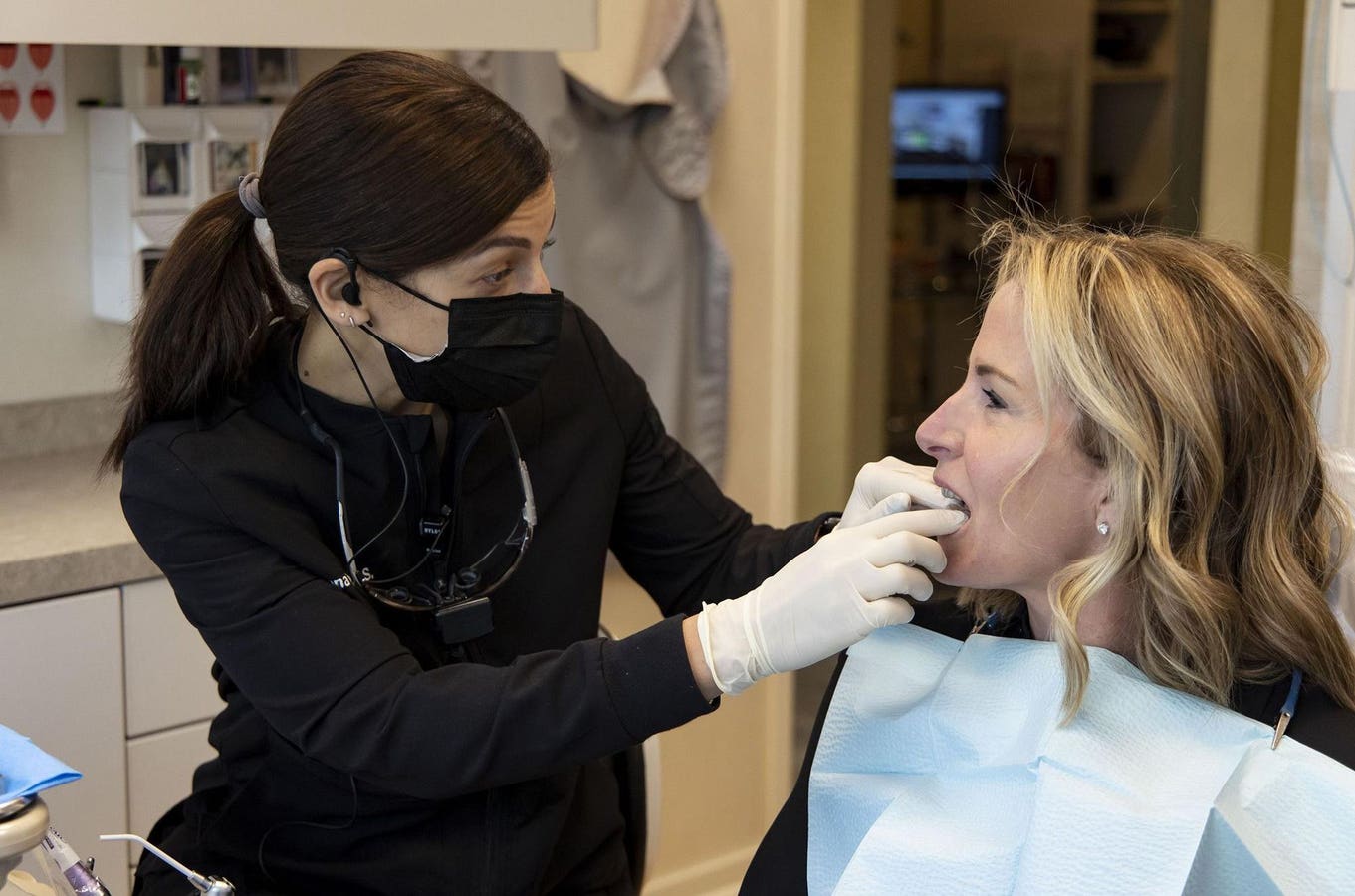
Also known as sleep bruxism, teeth grinding is a common health condition in which a person grinds their teeth or clenches their jaw unconsciously while sleeping. Bruxism is often seen in a dental office, so it is crucial to have regular dental checkups. Women are especially at risk when it comes to awake bruxism (grinding teeth during the day), but sleep bruxism shows no gender prevalence.
According to the Cleveland Clinic, the exact number of people who grind their teeth is unknown because it often happens during sleep. But, estimates show that teeth grinding affects more than 1 in 10 in their sleep, and anxiety and stress is a main risk factor. Recent research has also shown the relationship between perceived stress and teeth grinding. Hence, individuals suffering from depression and anxiety disorders are more prone to bruxism, which, left untreated, can further worsen and seriously impact dental and orofacial (of or affecting the mouth and face) regions.
A first step toward stopping sleep bruxism is practicing a good sleep routine and, in some cases, seeking professional help to manage anxiety-related issues. Moreover, having a successful sleep can not only give us strength, energy, and resilience, it can also address teeth grinding and some of our sleep problems.
According to a survey from the American Academy of Sleep Medicine, our sleep schedule needs a reset. The survey explored regular bedtime routines and offered tips for building good sleep habits. For example, common sleep accessories included fans, black-out curtains, and alarm clocks with wake-up lights. Other popular products were weighted blankets, sleep masks, noise machines or apps, and the classic regular ear plugs. The sage advice of going to bed at the same time each night still holds true, as it is one of the keys to a successful and healthy sleep routine. Ultimately, what is most important is finding ways to calm the mind and body, which can reduce sleep bruxism and chronic stress.
Anxiety disorders impact people and their sleep in different ways. Hence, addressing this issue using a one-size-fits-all formula is futile because what works for one person may not work for another. The solution is to go beyond the status quo. For instance, healthcare professionals should consider personal situations, cultural factors, and sleep history and realize that patients are their best advocates. Individuals suffering from sleep issues can also consider using multiple approaches to tackle any sleep issues. These include addressing anxiety in therapy, taking a bath or shower, or finding better-coping strategies, such as meditating or doing breathing exercises, to name a few. But a first step to improving sleep health is empowering people to embrace all aspects of their health, particularly their mental health.
Change is difficult, but when it comes to our sleep, making better changes is transformative. Anxiety is ruining our sleep. Now is the perfect time to make sure that healthy sleep is a priority.
Read the full article here