


Apple is reversing its policy on parts pairing and making it easier for iPhone owners to fix their devices with used parts, the company announced today.
In a statement released on Thursday, Apple said that starting this fall it plans to remove restrictions that prevent repair shops from repurposing used parts in new phones.
Those restrictions are known as “parts pairing” or “serialization”, a practice that Apple has come under heavy criticism for. Currently, it’s not possible to take—for example—a genuine iPhone 15 battery from one phone and place it into another without losing some features. because the part hasn’t been authenticated by Apple.
This happens across several Apple devices, not just the iPhone, and it affects several parts. For example, certain MacBook models will display a white shadow around the camera when the screen is replaced. Elsewhere, the Apple Pencil won’t draw straight lines if it’s being used on an iPad Pro that has had a screen replacement.
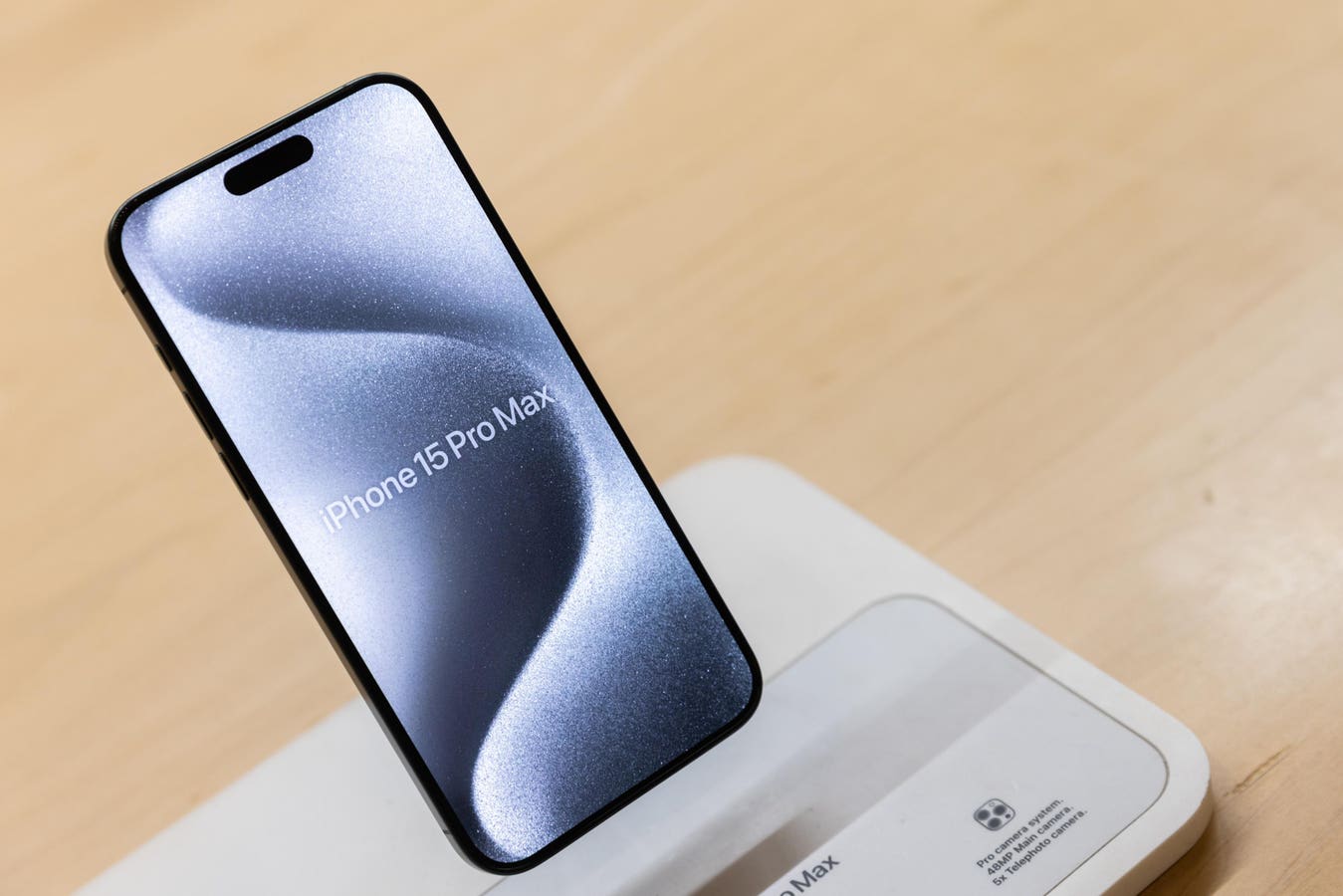
Apple now says that it is ending this practice for “select” iPhone models this fall. “Used genuine Apple parts will now benefit from the full functionality and security afforded by the original factory calibration, just like new genuine Apple parts.”
Crucially, the swapped part will be calibrated on the device. Repair shops also won’t have to provide a serial number of the broken device when ordering new parts from Apple.
Until now, Apple has managed to maintain control over the repair process by restricting who has access to its parts calibration tool, which boils down to companies that are a part of Apple’s Independent Repair Program. To become a member companies have to sign an NDA about the repair process, a repair specialist explained to me.
A Major Turning Point
According to TechCrunch, the biometric sensors used in Face ID and Touch ID won’t be included in the list of parts that can be swapped out at launch. The story explains that the policy will only apply to the iPhone 15 initially, but the door appears to be open for more models being included in the future.
The news has gone down well with the repair community. Ricky Panesar, founder of iCorrect.co.uk and someone who has discovered repair roadblocks in several Apple devices, said that this marks a turning point for independent repair companies.
“This shift is likely to reduce the use of aftermarket [third party] parts, as genuine parts should become more accessible, ensuring repairs meet higher standards of quality and reliability.”
Apple is also extending its Activation Lock feature to iPhone parts, which means components harvested from locked iPhones won’t be fully functional when reused. Apple says this is to stop iPhones being stolen for parts. However, Panesar thinks this is short-sighted from Apple.
“Apple’s policy of treating parts from activation-locked devices as if they were from stolen devices is problematic. Activation-locked devices are often former corporate assets that have been recycled responsibly.”
The timing of Apple’s U-turn, nearly two weeks after Oregon’s Right To Repair bill was signed into law, can’t be ignored. The new law, which takes effect on January 1st, 2025 explicitly bans parts pairing. Apple lobbied against the bill in a hearing, arguing that the bill would “undermine the security” of iPhone users.
It’s not clear if Apple’s new policy fully adheres to Oregon’s Right To Repair rules, or if Apple will change its attitude to parts pairing across its devices. But Apple doesn’t mention the bill in its statement, instead framing the move as improving the longevity of iPhones and minimizing the environmental impact of repair.
Read the full article here