


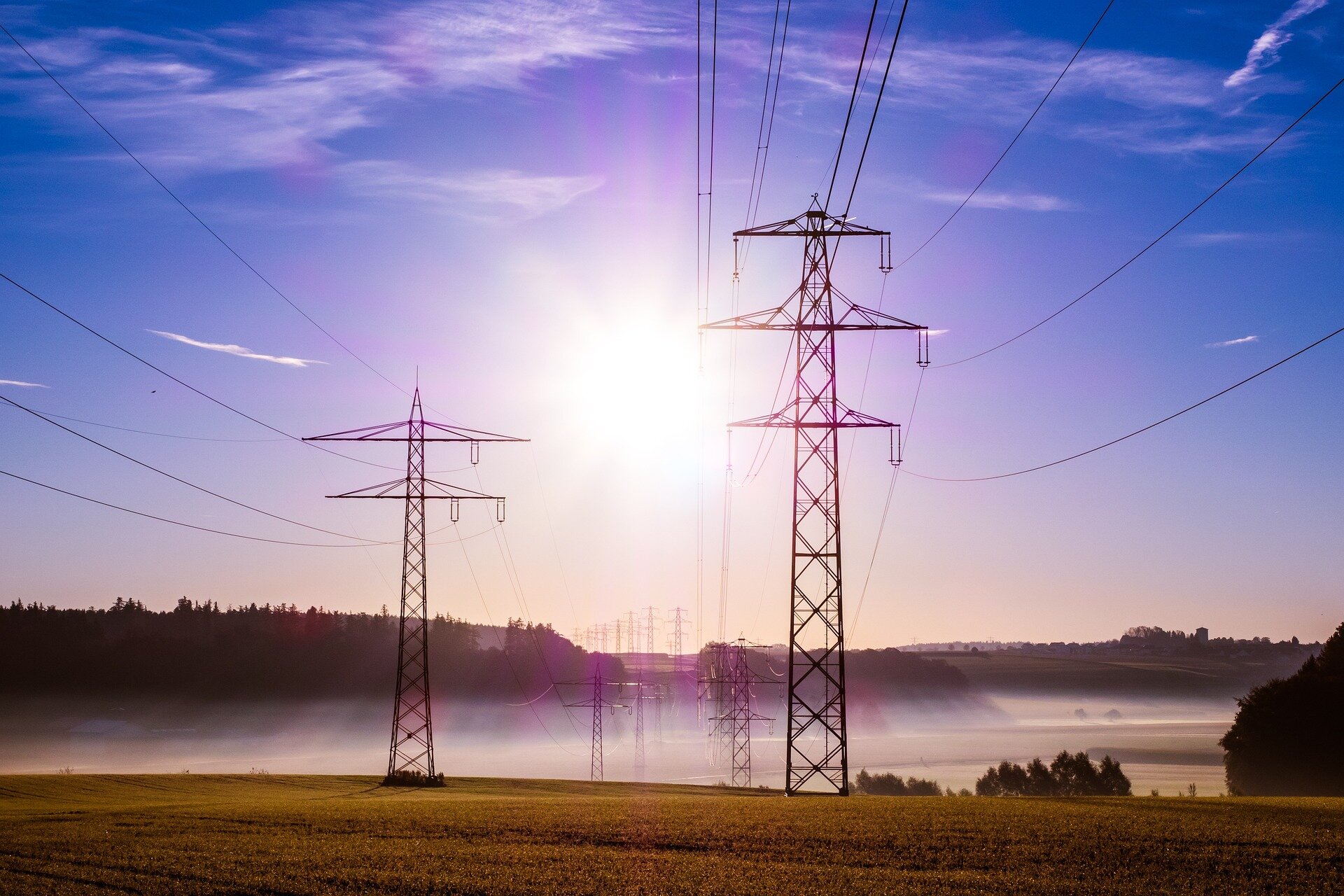
Electricity is an indispensable resource for our daily lives; it powers our homes, industries, and agriculture, among other things. Electricity is generated in power plants that are often located in remote areas due to safety and environmental concerns. The generated electricity is then transported to residential and industrial areas through transmission lines.
However, these remote locations pose challenges in terms of harsh environments that can easily damage the transmission lines. Therefore, regular inspection and maintenance of these lines are crucial to maintaining an uninterrupted electricity supply.
The rapid development of microelectronics has led to the popular use of unmanned aerial vehicles (UAVs) for such tasks. However, the inspection of transmission lines is intricate owing to their small sizes, long spans, and severe magnetic field interference affecting UAV microelectronics.
Current methods address these challenges using high-precision sensors and sophisticated equipment, but this makes UAVs heavy and costly, and raises security risks.
Now, a team of researchers, led by Associate Professor Satoshi Suzuki from the Graduate School of Engineering at Chiba University in Japan, has developed an innovative low-cost UAV for inspecting transmission lines. In contrast to the expensive components used in other methods, this approach utilizes a global navigation satellite system (GNSS) receiver, RGB camera, and a millimeter (mm) wave radar.
Dr. Suzuki emphasizes, “Our proposed system enables small drones to inspect transmission lines at close range for the first time. This innovation can lead to the automation of power facility inspections, promoting a more sustainable power supply.”
Their findings were published in Remote Sensing. The study included contributions from Qi Wang (first author), Professor Akio Namiki (last author), and Ziran Li from the Graduate School of Science and Engineering at Chiba University and Professor Wei Wang from Jiangsu Collaborative Innovation Centre of Atmospheric Environment and Equipment Technology at Nanjing University of Information Science & Technology, China.
The proposed system utilizes sensors to characterize transmission lines and implements a knowledge-based line identification system, which employs a specialized technique called Hough transform to identify and measure the distance of transmission lines from the UAV, enabling it to fly in close proximity.
Additionally, a heading correction module counters magnetic field interference affecting the UAV’s compass, calculating the desired direction based on the identified transmission line’s start and end points and correcting the UAV accordingly.
Furthermore, a waypoint correction system addresses the mismatch between the planned and actual path of the UAV caused by the low accuracy of the GNSS receiver. An auxiliary controller is also employed to address unknown disturbances during inspection, such as strong winds, which can deviate the UAV from the planned path.
The team tested their designed UAV to inspect a 10 kV energized transmission line. Their experiments demonstrated that the proposed method effectively addressed magnetic interference problems as well as mismatches between the planned and actual path and resisted wind interference. Nevertheless, the team acknowledged that the proposed method has room for further improvement, suggesting that more advanced control algorithms could enhance wind resistance.
“By addressing the challenge of remote inspections, this method can ensure an uninterrupted electricity supply, contributing to the sustainable development goal of ensuring access to clean and affordable energy. Moreover, this method also holds the potential for carrying out automated maintenance work,” says Dr. Suzuki.
In conclusion, developing this novel low-cost UAV platform represents a significant stride toward automated inspection of transmission lines, ensuring regular monitoring and reducing manual effort.
More information:
Qi Wang et al, Close-Range Transmission Line Inspection Method for Low-Cost UAV: Design and Implementation, Remote Sensing (2023). DOI: 10.3390/rs15194841
Chiba University
Read the full article here


