


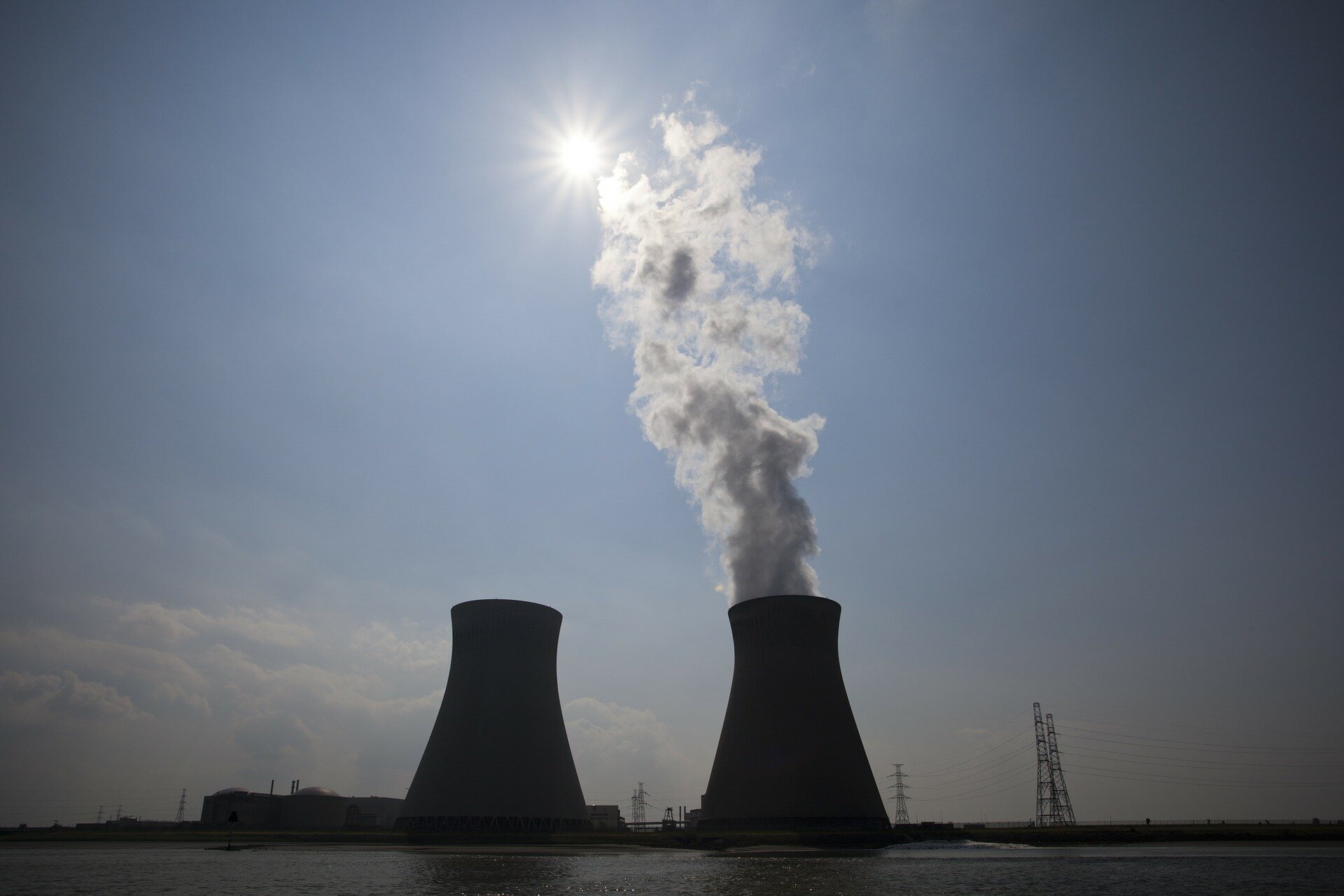
The widespread adoption of nuclear power was predicted by computer simulations more than four decades ago but the continued reliance on fossil fuels for energy shows these simulations need improvement, a new study has shown.
In order to assess the efficacy of energy policies implemented today, a team of researchers looked back at the influential 1980s model that predicted nuclear power would expand dramatically. Energy policies shapes how we produce and use energy, impacting jobs, costs, climate, and security. These policies are generated using simulations (also known as mathematical models) which forecast things like electricity demand and technology costs. But forecasts may miss the point altogether.
Results published today in the journal Risk Analysis showed the team found simulations that inform energy policy had unreliable assumptions built into them and that they need more transparency about their limitations. To amend this, they recommend new ways to test simulations and be upfront about their uncertainties. This includes methods like “sensitivity auditing,” which evaluates model assumptions. The goal is to improve modeling and open up decision-making.
Lead researcher Dr. Samuele Lo Piano, of the University of Reading, said, “Energy policy affects everybody, so it’s worrying when decisions rely on just a few models without questioning their limits. By questioning assumptions and exploring what we don’t know, we can get better decision making. We have to acknowledge that no model can perfectly predict the future. But by being upfront about model limitations, democratic debate on energy policy will improve.”
Modeling politics
A chapter of a new book, “The Politics of Modeling” (to be published on November 20), written by lead author Dr. Lo Piano, highlights why the research matters for all the fields where mathematical models are used to inform decision and policy-making. The chapter considers the inherent complexities and uncertainties posed by human-caused socio-economic and environmental changes.
Titled “Sensitivity auditing—A practical checklist for auditing decision-relevant models,” the chapter presents four real-world applications of sensitivity auditing in public health, education, human-water systems, and food provision systems.
More information:
Samuele Lo Piano et al, Unpacking the modeling process for energy policy making, Risk Analysis (2023). DOI: 10.1111/risa.14248
University of Reading
Read the full article here


