


A roadmap to significantly reduce plastic waste in India has been released today, with CSIRO collaborating with The Energy and Resources Institute (TERI), the Council of Scientific and Industrial Research-National Environmental Engineering Research Institute (CSIR-NEERI), Development Alternatives, the University of New South Wales, and the University of Technology Sydney’s Institute for Sustainable Futures.
The National Circular Economy Roadmap for Reducing Plastic Waste in India highlights future pathways to increase the repair, re-use and recycling of India’s plastic waste.
Key roadmap findings show that by 2035:
- Two thirds of all plastics used could be recycled
- Single-use plastics could be phased out
- Diverting plastic waste into resources could lead to 20%–50% less greenhouse emissions
- There would be improved air quality
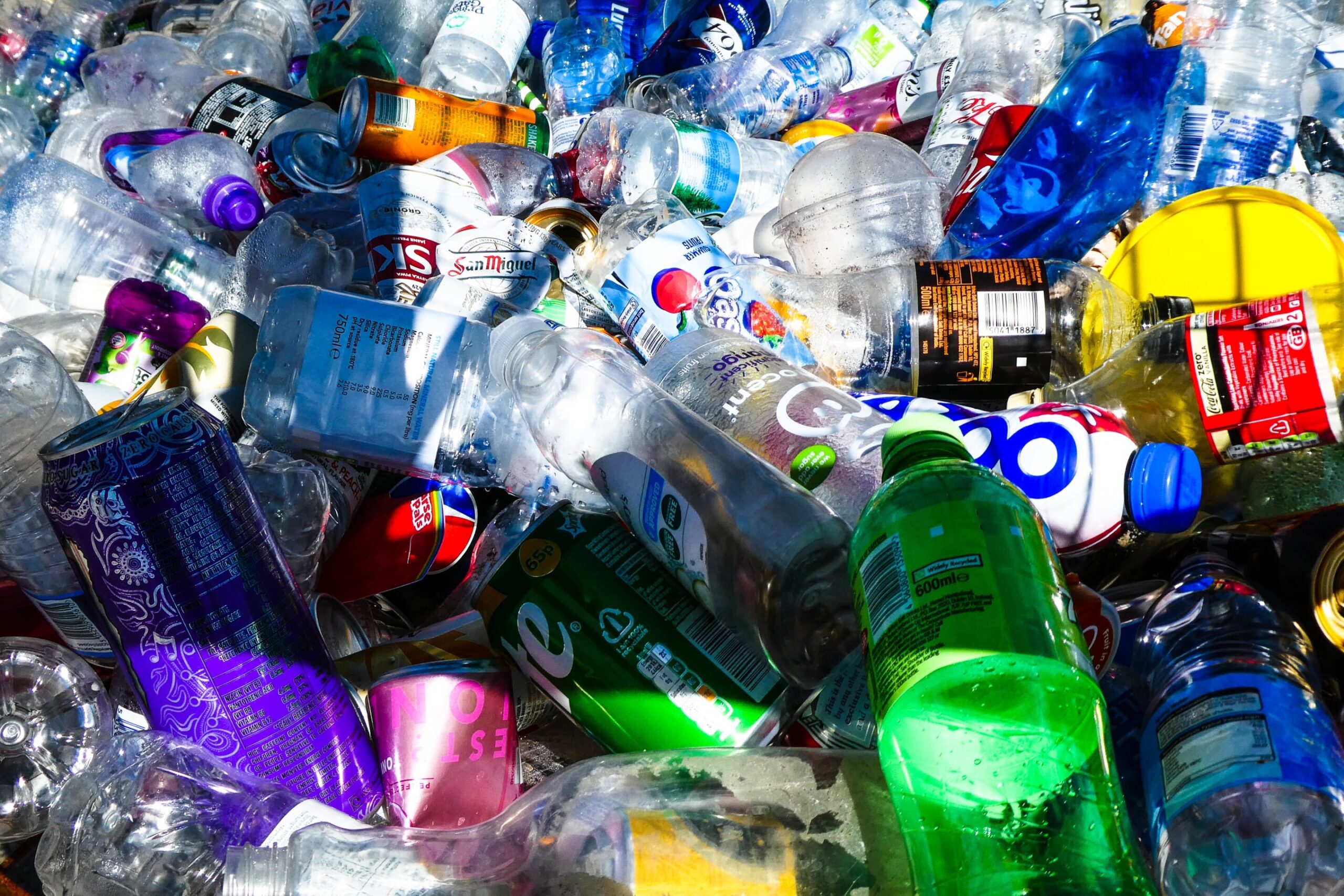
India is among the largest producers of polymers. It generates nearly 26,000 tons of plastics waste each day, more than any economy except the U.S. and European Union. Currently, a large fraction of plastic waste goes to landfill or leaks into the environment.
Heinz Schandl, who leads CSIRO’s Circular Economy for Missions initiative, said building a circular economy in India would create value from plastic waste, and prevent it polluting the environment.
“The findings in the roadmap indicate that by 2035, two thirds of all plastics used could be recycled, and single-use plastics could be phased out, resulting in a significant reduction of waste ending up in landfill and the environment,” Schandl said.
“The roadmap also shows that diverting plastic waste into resources would lead to a cleaner environment, with 20%–50% less greenhouse emissions, and improved air quality.”
The roadmap highlights strategies to achieve this, which includes investment in infrastructure, improved recycling capability, consistent compliance, increased commercial viability of technologies, uptake of secondary materials, sustainable consumption, and circular design and production to reduce waste.
Dr. Rita Dhodapkar from the CSIR- National Environmental Engineering Research Institute (NEERI) said sharing expertise between Australia and India will drive advances in science and technology to extend the use of plastic materials.
“India recognizes the scale and complexity of the plastic waste problem and its interconnectedness with global ocean plastic pollution and global warming concerns,” Dhodapkar said.
“India, like Australia, is aiming to reduce plastic waste by driving innovation and enabling new circular economy design, technologies, and business models to achieve this.
“The roadmap highlights challenges and opportunities to enable new growth industries and employment in a zero plastic waste economy.”
The roadmap is a result of three years of collaborative research between Indian and Australian partners, including engagements with Indian stakeholders from industry, government, and community.
Simran Talwar from the UTS Institute for Sustainable Futures who contributed to the report said plastic waste is a global issue and it is only through a collaborative effort that we can tackle plastic waste.
“This roadmap applies expertise from both countries and offers a comprehensive view of the entire plastics value chain and presents recommendations towards a circular economy for plastics in India.
“We traced the current successes and urgent needs for India’s plastics industry, with the roadmap setting out a path to transition to a circular economy. This will address environmental issues and foster positive economic outcomes.”
The roadmap will support the Government of India and industry associations in responding to the requirements of the United Nations Global Plastics Treaty that is expected to be implemented by 2024. The roadmap was produced as part of an Australia-India Comprehensive Strategic Partnership.
This research aligns to CSIRO’s Ending Plastic Waste Mission, which aims to change the way we make, use, recycle and dispose of plastic waste, and the Circular Economy for Missions initiative, which aims to embed circular economy principles across CSIRO’s research areas.
More information:
Roadmap and summary report: research.csiro.au/circularecon … stic-waste-in-india/
Read the full article here


