


The number of people living in urban areas around the world will swell by upwards of 2 billion over the next three decades. Many of those people will need new homes. But building those with conventional materials would unleash a gusher of carbon dioxide: Concrete, steel, glass and bricks for construction make up a combined 9% of global CO2 emissions, according to research by the United Nations Environment Program.
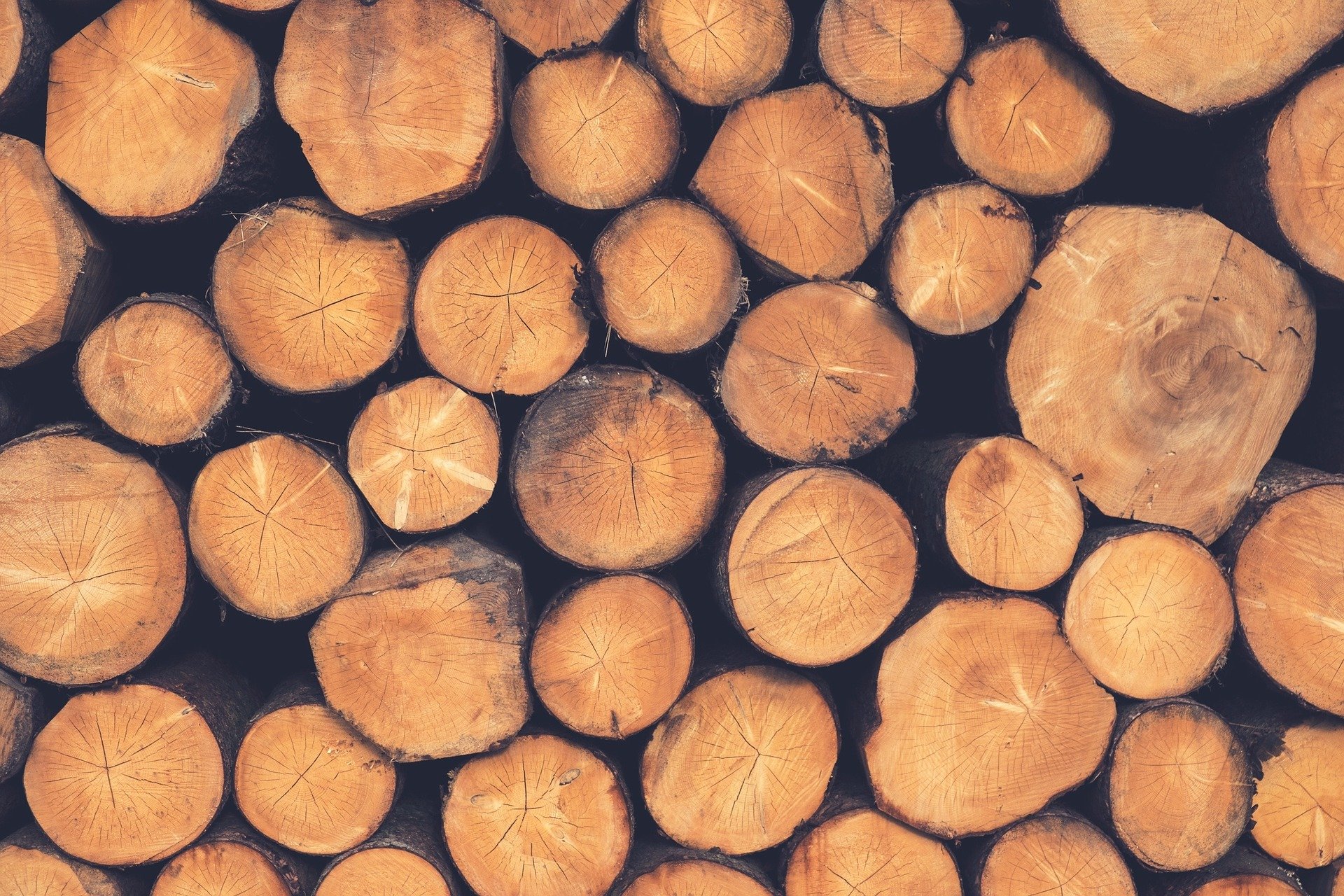
Enter engineered wood, a seemingly no-brainer solution. Mass timber is not the typical lumber that has structured single-family houses in North America for decades. The wood components are strong enough to hold up an office tower or apartment block, and building with them is thought to emit much less CO2 than using standard materials. And since wood is about 50% carbon, the material itself even stores a little carbon, to boot.
That’s why more and more companies are embracing mass timber as a way to cut their carbon footprints and promote their green bona fides, including Walmart Inc., Microsoft Corp. and Alphabet Inc.’s Google. YouTube in November opened two new buildings at its San Bruno, California, headquarters that have timber structures, which the company says halve the emissions of a concrete-and-steel design.
But establishing just how much carbon is saved by building with timber isn’t straightforward. There are still big unanswered questions: Is mass timber good for the climate irrespective of its source? And if one well-sourced wooden building saves on carbon, what would 100 million of them do?
Here, the no-brainer-ness of timber begins to splinter.
Architects and engineers have tools to estimate the carbon costs of timber over the whole life of a building. Specialized software lets users perform a life-cycle assessment, or LCA, to estimate any design proposal’s carbon footprint, from harvest, to the manufacture of its component parts, to construction, to disposal. Sometimes designers will draw up two models—one timber, the other concrete or steel—to better compare the carbon costs.
Among corporate clients as well as designers, “a lot of folks are really, really nervous about greenwashing” mass timber’s climate benefits, says Stephanie Carlisle, a senior researcher at the University of Washington’s Carbon Leadership Forum.
“So they want to have a system that backs them up.” Carlisle helped develop tallyLCA, a software tool managed by a nonprofit, Building Transparency, that estimates the environmental impact of building designs. (Another tool widely used in the industry is One Click LCA.)
Life-cycle assessments look at the carbon spent moving logs from forest to mill. There’s also the energy expended milling and manufacturing wood into mass-timber products such as cross-laminated timber (CLT) and glued laminated timber (glulam). In addition, there’s the carbon released when construction cranes and tractors burn fuel, and even renovations and routine maintenance over decades.
“We make buildings out of timber, right?” says Mel Allwood, director and sustainability head of the London building group of Arup, the global design and engineering firm. “We don’t just chop down trees and roll them into place. There’s a whole bunch more processes that happen in between, and all of those cost us carbon.”
2024 Bloomberg L.P. Distributed by Tribune Content Agency, LLC.
Read the full article here


