


Improving the U.S. electricity grid is necessary to lower costs, boost reliability and help tackle climate change, but it will take some serious soul searching by the leaders of entities that control the grid, according to a University of Michigan researcher.
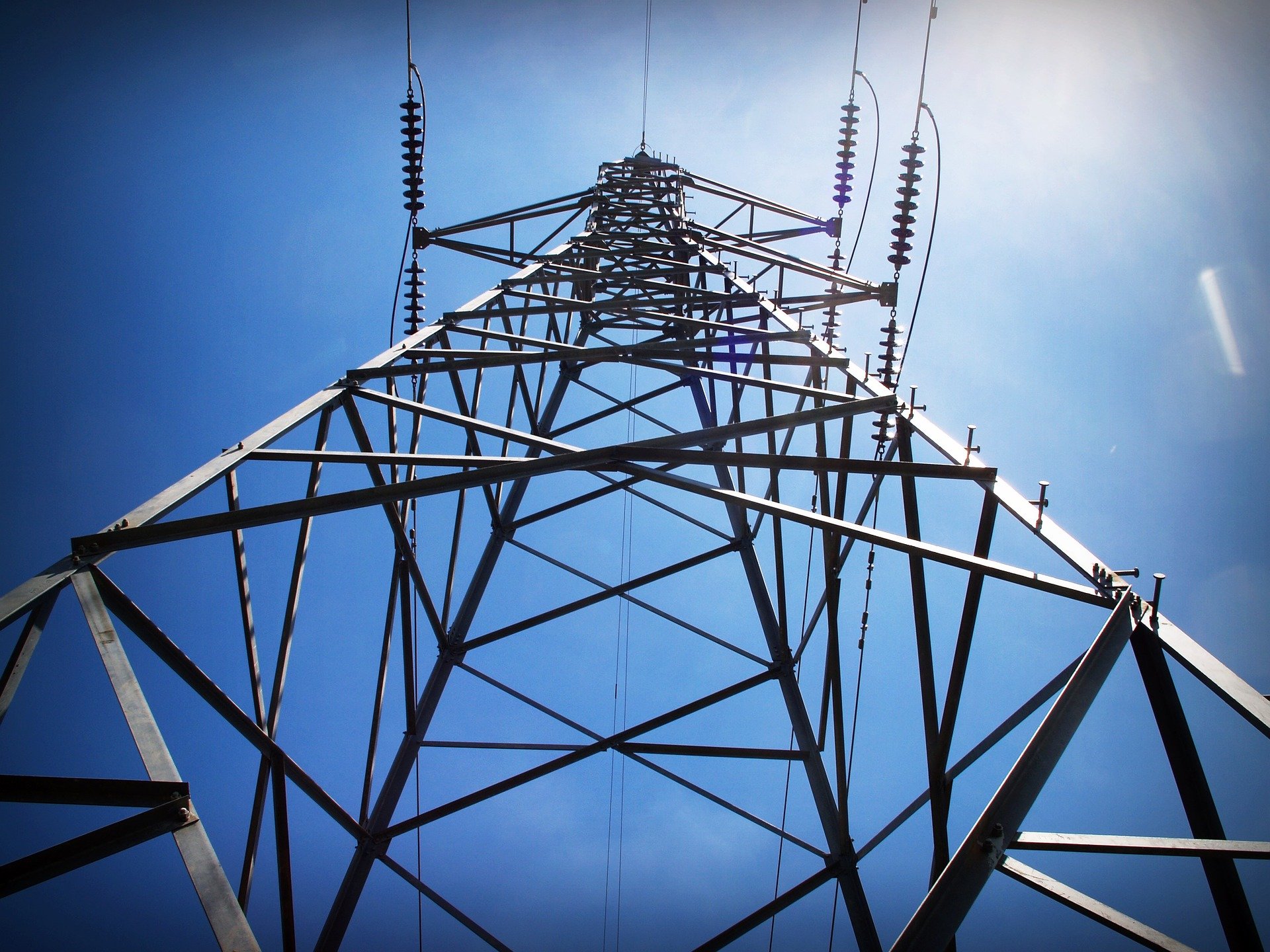
Catherine Hausman, who focuses on environmental and energy economics as an associate professor at U-M’s Gerald R. Ford School of Public Policy, writes in a new study that the grid wasn’t built for today’s energy needs, and expanding transmission can achieve many of the aforementioned gains.
The research is published in the journal National Bureau of Economic Research.
Still, what’s good for the consumer, environment and the economy may not be so for the bottom lines of some power plants.
Hausman studied two major wholesale electricity markets in the U.S. heartland: the Southwest Power Pool and the Midcontinent Independent System Operator. Each is run by a nonprofit system operator, and the study describes their combined footprint as “a renewable rich swath of the windy Midwest, as well as demand centers stretching from Minneapolis and Detroit to New Orleans.”
Her research, which incorporates data from several government agencies and both market operators between 2016-22, finds “allocative inefficiencies,” meaning the grid operators must use high-cost power plants at certain times because there isn’t adequate transmission to move electricity from the low-cost plants, such as wind generators, to demand centers.
Expanding transmission could lower electricity generation costs; in 2022, a fully integrated grid in the central U.S. would have lowered those generation costs by $2 billion.
The costs, the study finds, would be lowered in part because more transmission would allow for better use of the wind generation that’s already available. But building transmission is likely to be opposed by existing power plants, whose profits—for some to the tune of hundreds of millions of dollars annually—are protected by inadequate transmission for new competitors.
Although building transmission could be beneficial, it will lower profits at some power plants. The problem, according to Hausman, “is that some of the same companies that would see a cut to their net revenues are the companies that have a big say in when, where and whether transmission lines get built.”
“Ultimately, I argue that it’s time to modernize our grid, and doing that means rewriting the rules for who decides whether we build transmission,” she said. “The policy question becomes whether the current legal, regulatory and policymaking procedures adequately represent the interests of society as a whole—or whether there are opportunities for those who stand to lose to bend the process to their will.”
More information:
Catherine Hausman, Power Flows: Transmission Lines, Allocative Efficiency, and Corporate Profits, National Bureau of Economic Research (2024). DOI: 10.3386/w32091
University of Michigan
Read the full article here


