


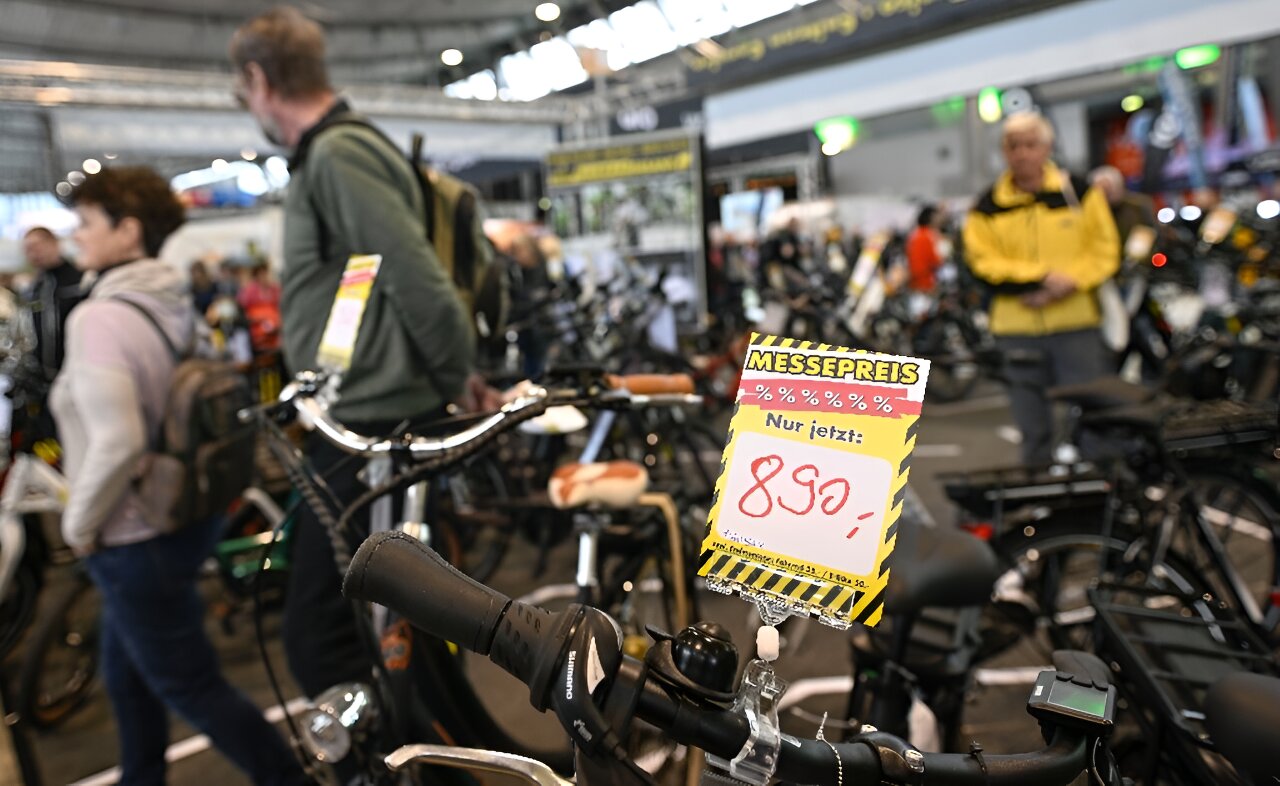
At a bicycle trade fair in Stuttgart, steep discounts on brand-new models hint at the turmoil roiling the industry now that a pandemic-fueled cycling craze has faded.
Price cuts of 20 to 30 percent were not unheard of at this month’s event in the southwestern German city, where sellers sought to offload surplus stock in the face of falling demand.
Long gone are the days when COVID-related shutdowns inspired a surge in bicycle sales in 2020-2022, as people looked for more outdoor recreation or tried to avoid using public transport.
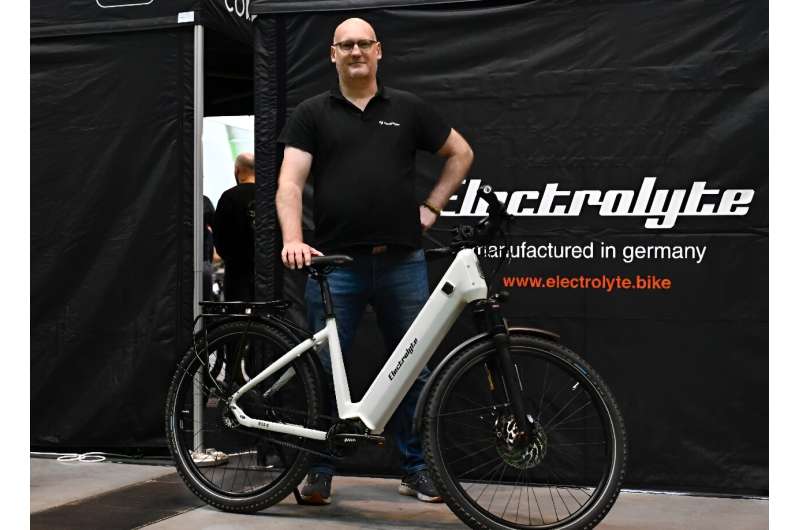
At Electrolyte, a company that makes customized electric bikes in southern Germany, orders jumped 50 percent during the pandemic and customers faced months-long wait times because of disruptions to global supply chains.
But the mood today is very different.
“The war between Russia and Ukraine has played a role, with high inflation leading people to think twice before spending their money,” said Oliver Arlt, sales manager at Electrolyte.
Sales at the company were down 15 percent last year.
“The market is changing a lot right now,” said Burkhard Stork, president of the German bicycle industry association ZIV.
In Germany, Europe’s largest economy, sales of conventional bicycles declined 20 percent over the first five months of 2023 compared with the period a year earlier, according to ZIV.
E-bike sales were down 12 percent.
Stork expects 2024 to be a “difficult” year for the industry. Fewer new launches are also expected as manufacturers try to extend the lifetime of unsold models.
Discounts, bankruptcies
Buoyed by cycling’s fast-paced growth during the pandemic and wanting to get ahead of any future supply chain snarls, many industry players increased their orders during the boom.
Waning demand now has inevitably led to overstock, leaving manufacturers and retailers with little choice but to resort to discounts.
Andreas Gutacker, who manages a bicycle store and a website for online sales, said the site uses a repricing algorithm that scans competitors’ offers and “automatically lowers our price”, he said.
Price drops of up to 20 percent for e-bikes and even 30 percent for conventional bikes were possible, he told AFP at the Stuttgart industry event.
Swiss e-bike maker Flyer, also attending the fair, has lowered prices 10 to 15 percent over the past six months.
The industry slump has already caused casualties, including the high-profile bankruptcy last year of popular Dutch e-bike maker VanMoof.
The young company, sometimes dubbed the “Tesla of e-bikes”, was never profitable, Stork pointed out. “Then when the crisis hit, the banks refused to keep going along,” he told AFP.
German group Internetstores, behind major online vendors such as Fahrrad.de and France’s leading online bike retailer Probikeshop, filed for insolvency after parent company Signa Sports United ran into financial trouble.
German brand Ghost Bikes, owned by the Dutch Accell Group, meanwhile, announced late last year that it would close its Bavarian factory and relocate production to sites in Turkey and Hungary.
Industry experts nevertheless sounded a note of optimism for the future.
“This is a transition period, and it will take about a year to clear stocks,” said Manuel Marsilio of the Confederation of the European Bicycle Industry (CONEBI).
Sales “should pick up very strongly at the end of 2024, beginning of 2025”, he told AFP, noting that “the market is still bigger than in 2019, before the pandemic”.
© 2024 AFP
Read the full article here


