


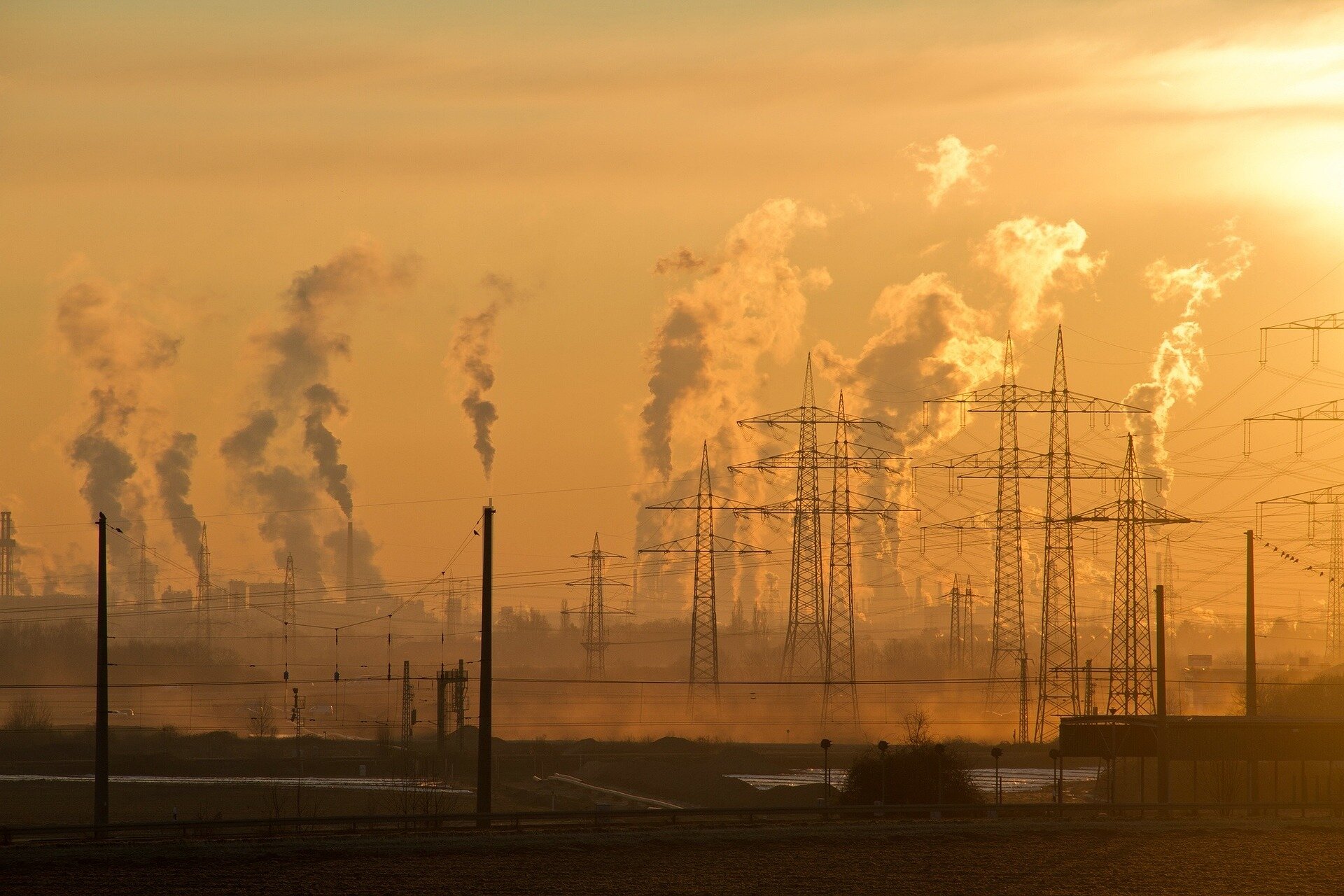
Harmful emissions from the industrial sector could be reduced by up to 85% across the world, according to new research. The sector, which includes iron and steel, chemicals, cement, and food and drink, emits around a quarter of global greenhouse gas (GHG) emissions—planet-warming gases that result in climate change and extreme weather.
A new study, led by the University of Leeds as part of its contribution to the UK Energy Research Center (UKERC), found that decarbonizing the sector is technically possible with a mix of “high and low-maturity” technologies—those that are tried and tested, along with upcoming tech that is not yet ready to be used in industry.
Lead author of the study, Ahmed Gailani, Research Fellow in Industrial Decarbonization in Leeds’ School of Chemical and Process Engineering, said, “Decarbonization is a global priority for governments, companies, and society at large, because it plays such a vital role in limiting global warming.
“Our findings represent a major step forward in helping to design industrial decarbonization strategies and that is a really encouraging prospect when it comes to the future health of the planet.”
Net zero target
The UK has pledged to reduce its GHG emissions to net zero by 2050, meaning it will take as much of the damaging gases out of the atmosphere as it puts in.
This new research, published in the journal Joule, looked at ways this could be achieved for industry. It found that established “medium to high maturity” technologies that involve carbon capture and storage, or fuel switching to hydrogen or biomass, can save on average nearly 85% of emissions in most industrial sectors.
It also suggests that low-maturity electric technologies, such as electric steam crackers—which are key equipment to produce petrochemical products—can theoretically decarbonize between 40% and 100% of the sector’s direct emissions. Other new electrification technologies can also help reduce emissions from energy-intensive processes such as steel, cement, and ceramics, which in some cases hadn’t previously been thought possible.
Some of the results from the study have already been included in a consultation on enabling industrial electrification by the UK’s Department of Energy Security and Net Zero.
Industrial products such as steel, chemicals and cement are widely used across the global economy. The demand for, and production of, these materials has increased significantly over recent decades, leading to high energy consumption and GHG emissions. However, global industrial emissions will need to be almost eliminated to meet the Paris Agreement targets on climate change.
Peter Taylor, a co-author of the study and Professor of Sustainable Energy Systems in the Schools of Earth and Environment and Chemical and Process Engineering at Leeds, said, “Industrial decarbonization is challenging compared to other sectors but can be achieved if evidence-based strategies are designed to enable the development of new technologies, encourage investment in related infrastructure, and reduce other barriers that make it difficult for companies to take action.”
He added, “For the UK, if we don’t decarbonize industry, we won’t meet our climate change targets and ultimately industry will move elsewhere because, in the long term, people will be looking for products made in a clean, green way and if our industry can’t produce these then it will become the industry of the past, not the industry of the future.”
More information:
Assessing the potential of decarbonisation options for industrial sectors, Joule (2024). DOI: 10.1016/j.joule.2024.01.007. www.cell.com/joule/fulltext/S2542-4351(24)00026-6
Joule
University of Leeds
Read the full article here


