


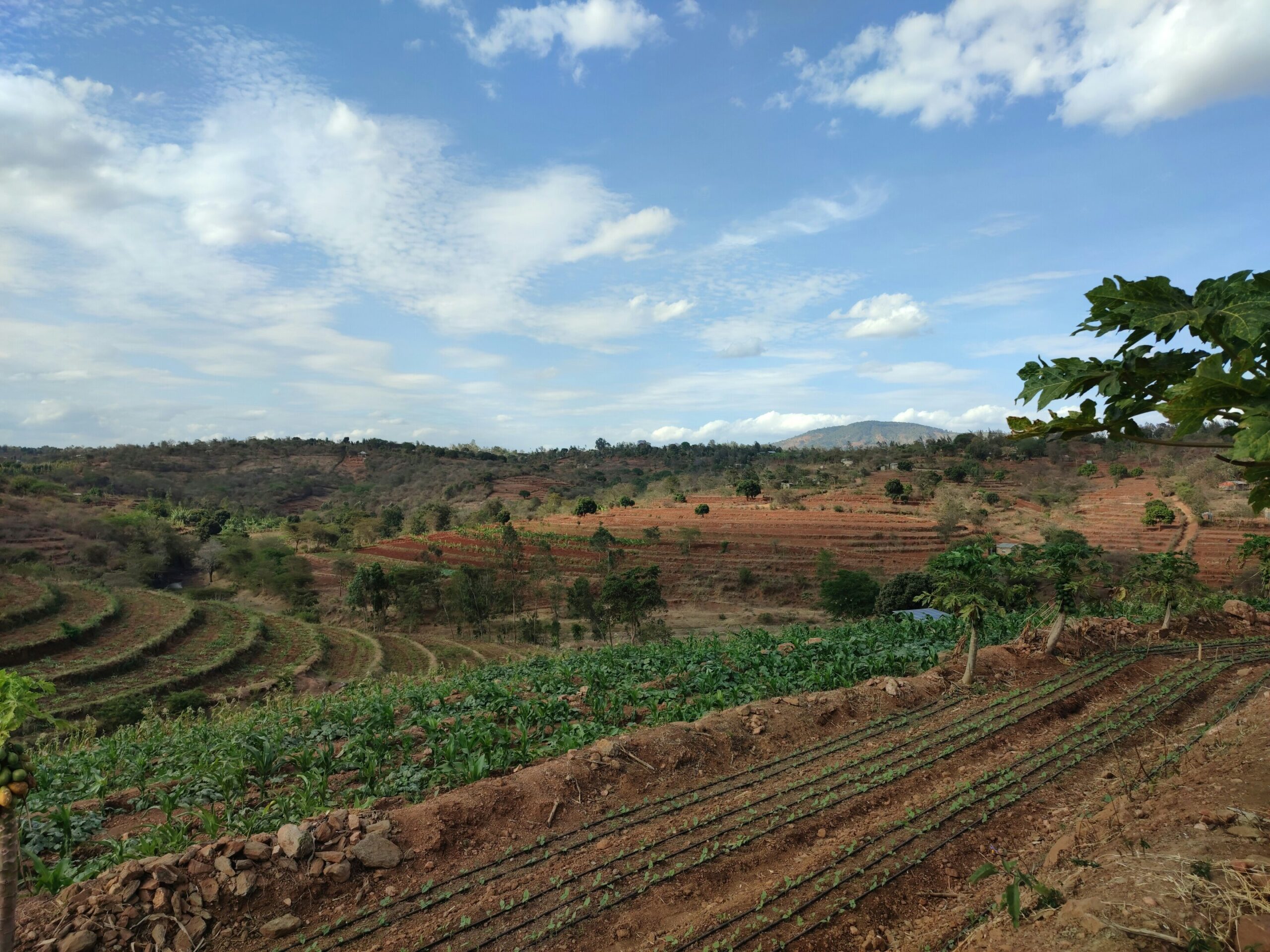
In a bid to meet growing food production and energy needs in low- and middle-income countries, solar-powered groundwater irrigation is rapidly gaining ground. More than 500,000 solar pumps have been installed in south Asia over the last few years and a major expansion is planned across sub-Saharan Africa.
While the technology presents important opportunities to mitigate greenhouse gas emissions, an article, titled “Risks from solar-powered groundwater,” published in Science suggests that anticipated emissions reductions are complex to calculate and solar pumps are likely to increase groundwater depletion as farmers gain access to cheap, clean energy.
Dustin Garrick, professor in the School of Environment, Resources and Sustainability, co-led the Science article with Dr. Soumya Balasubramanya of the World Bank. Along with an international team, they examined the trend toward solar pumps as a clear opportunity for boosting agricultural yields and alleviating poverty, but the opportunity comes with risks.
“Solar-powered groundwater irrigation is booming and represents a promising technology for alleviating poverty by expanding access to irrigation for poor farmers, but this potential comes with risks of depleting groundwater and drying up wells over the longer term. It is crucial for communities and governments to invest in measuring and managing these risks,” Garrick says.
In sub-Saharan Africa, governments are enabling the growth of small farms by reducing import and other taxes on solar pumps, while encouraging private vendors to sell and install them. In Bangladesh and Nepal, more than 2,000 units have been installed while India intends to exceed this number—installing 2 million small stand-alone pumps and solarizing 1.5 million existing electric pumps by 2026.
“Ensuring that the benefits of solar irrigation reach farmers who rent their land, or those whose landholdings are too small for pump ownership, is critical for enhancing the poverty alleviation potential of this technology,” Balasubramanya notes.
“Insights from emerging collaborations between government agencies, entrepreneurial initiatives and pump manufacturers in south Asia and Africa could improve policy responses and scale services to vulnerable farmers.”
While replacing electric or diesel pumps with solar-powered irrigation holds the promise of reducing carbon emissions, it is not guaranteed. Farmers who have access to these pumps may expand production of crops or diversify into other activities, which are not emissions neutral.
Solar pumps will increase groundwater abstraction, which may be desirable in aquifers that support such increases, but this could exacerbate groundwater depletion in aquifers that are already stressed. The cheap clean energy of solar pumps may lead to increased groundwater development, without necessarily decreasing overall emissions.
More information:
Soumya Balasubramanya et al, Risks from solar-powered groundwater irrigation, Science (2024). DOI: 10.1126/science.adi9497
University of Waterloo
Read the full article here


