


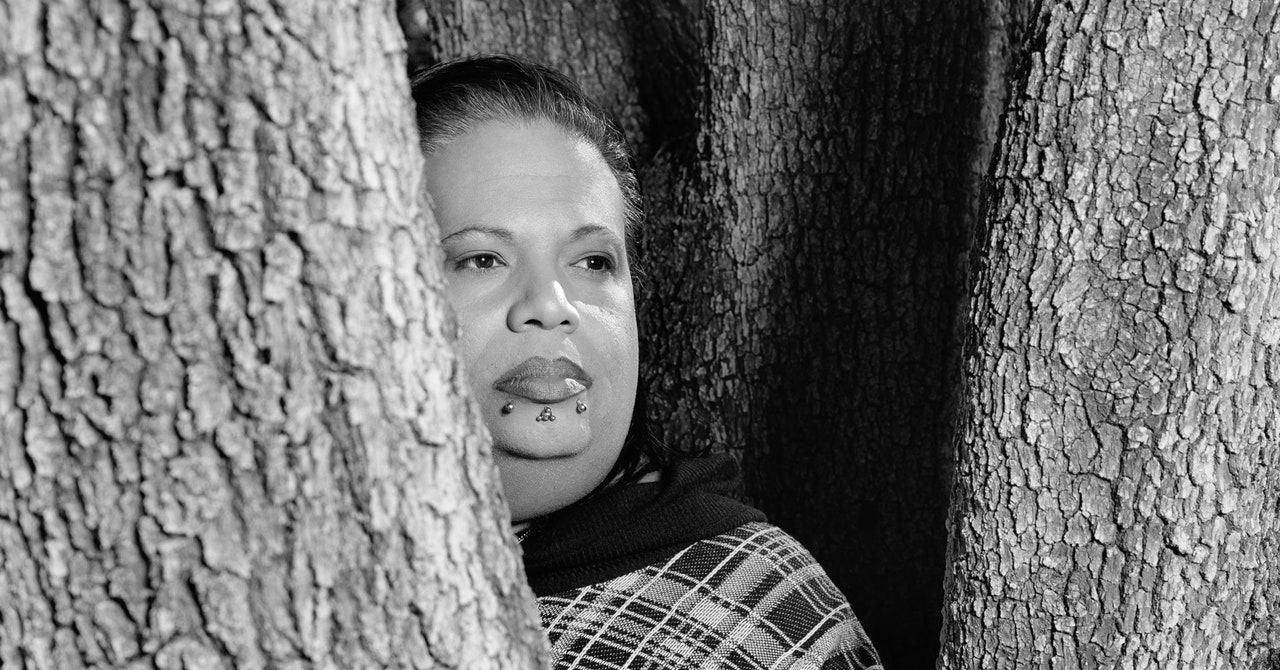
It’s been more than five years since an Uber self-driving car struck and killed a woman named Elaine Herzberg as she walked her bicycle across a road in Tempe, Arizona. Herzberg’s death instantly turned what had been a philosophical conundrum into a glaringly real, legal one: Who gets blamed for a road fatality in the awkward, liminal era of self-driving cars, when humans are essentially babysitters of imperfect, still-learning AI systems? Is it the company with the erring car? Or the person behind the wheel who should have intervened?
On Friday, we got an answer: It’s the person sitting behind the wheel. In an Arizona courtroom, the test operator during the crash, Rafaela Vasquez, the subject of an in-depth WIRED feature last year, pleaded guilty to one count of endangerment and was sentenced to three years of supervised probation, with no time in prison. In Arizona, endangerment is defined as “recklessly endangering another person with a substantial risk of imminent death or physical injury.”
In the Arizona case, the plea deal saves all parties from a trial’s uncertainty: If a jury had found Vasquez guilty of the original felony she was charged with—negligent homicide—she would have faced four to eight years in state prison. Vasquez told WIRED that prison was of particular concern to her as a transgender woman, given that she said she had suffered sexual abuse in the early aughts while incarcerated among males. But the settlement also leaves unresolved Vasquez’s claim, made in legal filings, that she was not as off-task as prosecutors claimed. The case accused her of watching the talent show The Voice on her personal cell phone at the time of the crash, but she claims she was instead monitoring the company Slack on the handset she used for work.
As for Uber, the plea saves the company from another embarrassing airing of its erstwhile self-driving program’s grave shortcomings, already highlighted in a lengthy investigation by the National Transportation Safety Board. Vasquez’s legal team had shown every intention to make its defense about shifting blame to Uber, arguing that Vasquez had been set up to fail. (Uber didn’t immediately respond to a request for comment Friday.)
In pretrial filings, Vasquez’s attorneys cited the NTSB’s findings against Uber: The car failed to identify Herzberg as a pedestrian, and so failed to apply its brakes. The NTSB also found that Uber kept an “inadequate safety culture,” doing little to protect test operators from the well-known phenomenon of “automation complacency”—humans’ tendency to direct less attention to automatic processes that demand little input. In the months before the crash, Uber had removed a requirement for there to be two test pilots in each car, which operators told WIRED had kept them more alert and adherent to the company’s no-cell-phone policy. Instead, in the months leading to the crash, solo operators were often looping the same monotonous route on hours-long shifts, left to self-police their usage of cell phones. Uber forbade operators from using handsets while driving, but also had the operators keep the phones handy in the car in order to get company Slack messages. Several other test operators had been fired for violating the phone policy before the 2018 crash.
Vasquez’s claim that she was monitoring Slack on her work phone came out in legal filings long after the NTSB published its report, which named her distraction as the “probable cause” of the crash. Vasquez’s attorneys contend Vasquez was only listening to The Voice—as operators were allowed to do—and argue that the investigators mixed up which phone Vasquez was looking at in the seconds leading up to the fatality. As defense attorney Albert Morrison said in court Friday, “She was not watching The Voice, your honor. She was doing what she was asked to do by Uber, and that is to monitor the systems in the car. Nonetheless, judge, she’s indicated that that conduct itself was reckless. She’s acknowledged that here today, and she’s accepting responsibility for that.”
Read the full article here





