


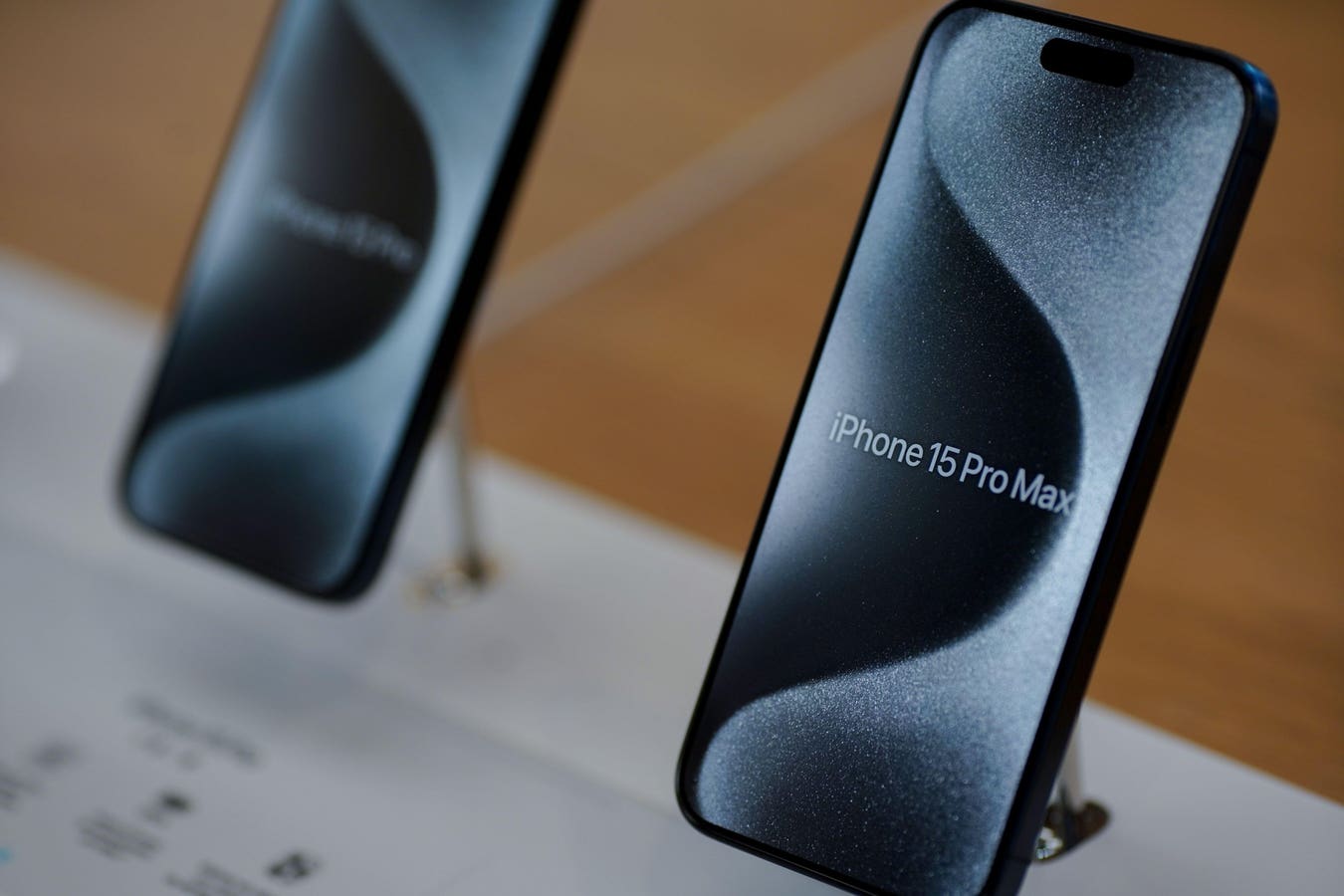
Apple will have to “rethink” the design of its next iPhone if it wants to comply with a new right-to-repair law, a repair specialist claims.
Ricky Panesar, co-founder of iCorrect.co.uk and someone who has discovered repair roadblocks in several Apple devices, says that Apple will have to change its practices when it comes to parts pairing, after a new repair bill was signed into law by Oregon Governor Tina Kotek on March 27th.
“Apple won’t stop selling phones, but it will have to rethink parts pairing on its devices sold after 2025. Apple will have to change how the next iPhone is designed. There are so many parts now that have reduced features if they’re swapped between devices. It’s such good news that this is going to stop.”
Oregon’s right-to-repair bill takes effect on January 1st, 2025, and makes it easier for device owners and independent repair shops to fix consumer electronics. Similar to California’s Right to Repair Act, Oregon’s new law requires companies to make tools, documents, and parts openly accessible and not just restricted to authorized repair shops. But it goes further than California’s legislation because it is the first to ban a practice called parts pairing.
Otherwise known as serialization, this is where certain parts are paired (like the camera, display, or battery) to the logic board and can’t be replaced, even with parts from the same model, without losing features if Apple’s calibration tool isn’t used. That tool is only available to Apple and Apple-certified repair shops.
Oregon’s law is very specific on this, stating that its purpose is to stop the practice of companies that “prevent or inhibit an independent repair provider or an owner from installing or enabling the function of an otherwise functional replacement part,” by reducing “the functionality or performance of consumer electronic equipment,” or forcing gadgets to “display misleading alerts or warnings, which the owner cannot immediately dismiss, about unidentified parts.”
Apple uses parts pairing in several of its products. The iPhone 15 will lose its battery health metrics when the battery is replaced incorrectly. Certain MacBook models display a white shadow around the camera when the screen is replaced without Apple’s authorization. It’s the same with the Apple Pencil, which won’t draw straight lines if it’s being used on an iPad Pro that has had a screen replacement.
But Pansesar hopes that the new bill will change all of that. “This is huge for repair and refurbishment in the future. Parts pairing meant that everything had to go through Apple. That means that the company could dictate the price, the turnaround and deny you parts, if it wanted. A monopoly. The question then is what happens to the current devices that have parts paired? I can’t see Apple undoing that, unless it is pushed by the EU or other governing bodies.”
What happens to current iPhones with paired parts, or future devices, is indeed the big question. Will Apple have to change its policy and make its parts calibration tool available to everyone? Oregon’s new repair rules only apply to phones sold after July 1st, 2021. Does that mean older iPhones with serialized parts will have to be updated to ensure there’s not a two-tier system of repairs?
Apple has had to make changes before after losing to legislators. The company ditched its Lightning connector in its iPhones after EU regulators said all smartphones had to use the USB-C connector as standard. The prospect of something similar happening again could be why Apple opposed the Oregon bill, despite supporting California’s slightly less aggressive Right to Repair Act last year.
The new Oregon law, however, has enjoyed support from local repair shops, the Technology Association of Oregon and Google, which testified in favor of the legislation. In a white paper published in January, Google makes it clear that it is against serialization.
“Policies should constrain OEMs from imposing unfair anti-repair practices. For example, parts-pairing, the practice of using software barriers to obstruct consumers and independent repair shops from replacing components, or other restrictive impediments to repair should be discouraged.” The paper states.
Both Apple and Google (and Samsung) have improved the repairability of their devices in recent years. Apple created its Independent Repair Program, while Google has upped its promise of software support to seven years. But parts pairing has remained a dividing line between the two companies and in testifying in favor of this bill, Google likely knows that it will hurt Apple. What happens next and how Apple responds will be one of the more interesting technology dramas to watch in the coming year.
Read the full article here