


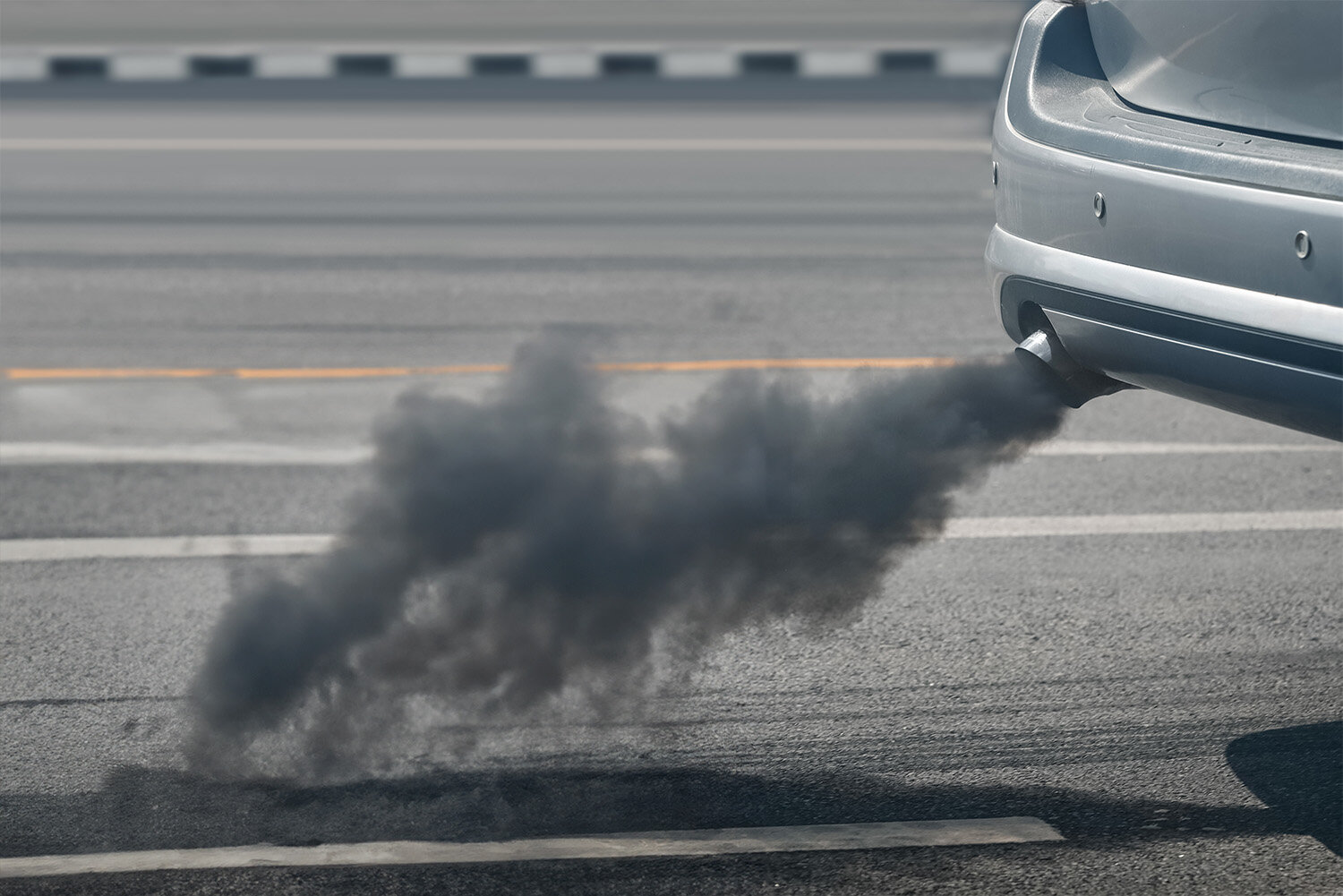
The University of Malaga (UMA) has participated in an international study with the Future Power Systems Group of the University of Birmingham (UK) that investigates how to reduce pollutant emissions from vehicles without affecting engine performance.
Specifically, the study has analyzed the use of oxygenated biofuels blended with diesel in a 20% volume concentration, noting a reduction in the production of soot—black smoke emitted by cars—by over 90%. The results of this study have been published in Fuel.
The work developed at the University of Malaga has been conducted by the Professor at the School of Industrial Engineering Francisco Javier Martos. This researcher of the Area of Thermal Machines and Engines has analyzed soot nanoparticles expelled by engines based on the different biofuels studied—bioalcohols such as butanol, pentanol and cyclopentanol, as well as bioketones, for example, cyclopentanone. The experiments were conducted at the Central Research Support Services of the UMA (SCAI), using High-Resolution Transmission Electron Microscopy (HR-TEM).
Low carbon biomass residues
The main characteristics of these biofuels are that they can be produced from waste derived from residual biomass, such as waste oils, algae, agricultural and forestry residues or sewage, and are low in carbon.
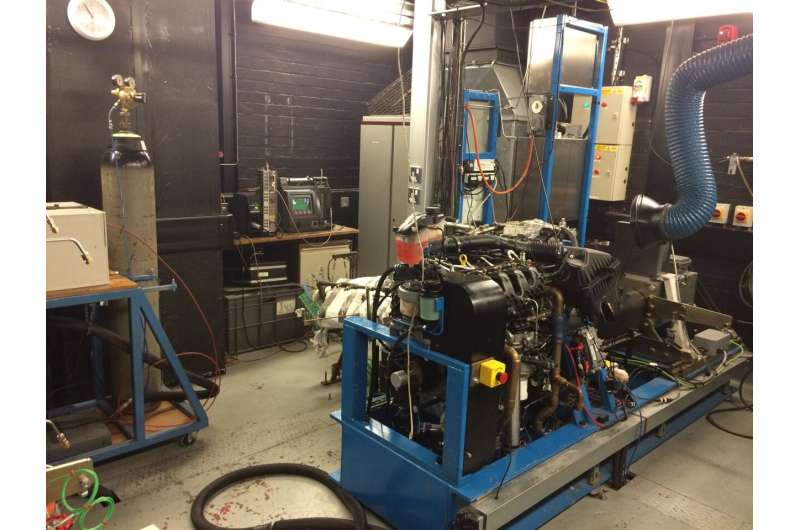
“Our research shows that the biofuels studied, which we obtained in the laboratory, apart from producing very little soot, behave in the engine similarly to the fuel of any gas station, which means that there would be no need to make changes for it to work normally,” explains Francisco Javier Martos.
Environmental and public health issues
According to the UMA researcher, this work sets a new path that could reduce soot emission of thermal engines, and thus, improve the associated environmental and public health issues.
“Soot particles emitted by engines are expelled into the environment and remain suspended in the air, affecting the climate, since they increase the greenhouse effect; and public health, because they do not settle to the ground, so they are very likely to be inhaled by living beings,” says Martos.
This research “opens the door to the use of non-petroleum fuels that could reduce the emission of pollutants in vehicles.” Achieving its commercialization is a long-term goal of this international scientific team, which already has agreements with some trademarks.
More information:
Omid Doustdar et al, The significance of low carbon bio-alcohols and bio-ketones fuels for clean propulsion systems, Fuel (2023). DOI: 10.1016/j.fuel.2023.130641
University of Malaga
Read the full article here


