


Much hoopla surrounds the launch of Apple’s VisionPro, the latest effort to bring us humans closer to the digital experience and to ourselves. And yet it is appropriate to wonder what this new technological capability is really useful for.
First, let’s review a bit of potted history. Web 1.0 and the worldwide web brought content to our fingertips. Web 2.0, in turn, overlaid social connections and discourse onto the internet while the innovations around blockchain and crypto enabled a distributed and decentralized Web 3.0. Now we are beginning to see the emergence of a Web 4.0 that in my opinion is all about intimacy.
If we conceive of intimacy as closeness, i.e. the removal of distance, then VisionPro’s
unmediated navigation with finger gestures and eye gaze clearly brings the digital world closer to us. The friction of using hardware and clunky software interfaces disappears once we put on the headset.
This theme of intimacy is woven into the VisionPro narrative for VR/AR/MR. It shows up in the ability to see someone’s eyes even when they are wearing the headset. Its ability to toggle between the virtual and the real with the twist of a dial is an extraordinary way to have your connection cake and eat it too.
But there is much more to the story as the intimate web begins to afford us ways of immersion in our interior, psychological and creative landscapes in ways never before possible.
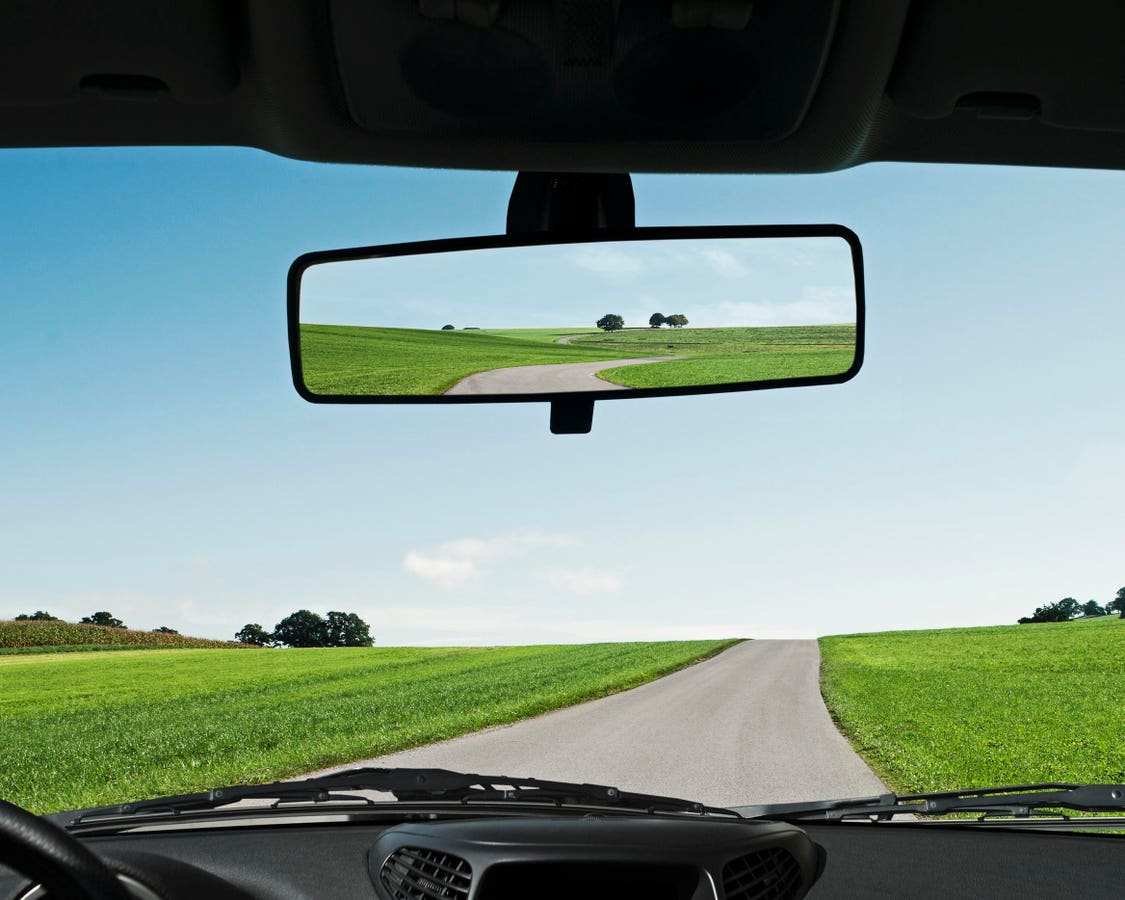
Media visionary Marshall McLuhan famously remarked that we travel into the future while looking in the rearview mirror. For example, until the language of film was
invented, cinema was shaped by the conventions of theater – proscenium stages, actors entering from the wings, “theatrical” performances. Movies did not come into their own until a new language of cinema emerged with multiple overlapping innovations in camera motion, depth of field, lighting, graphic design and more.
What I call the Intimate Web is following the same historical pattern. We are told that we can now watch movies, only bigger! With better sound! We can do FaceTime, only better. But it is only when the “language” of the Intimate Web begins to emerge that we will have a new medium with all its attendant possibilities.
I believe the deeper implications of this Intimate Web will come from our ability to represent and experience our personal realities, our internal landscapes, in ways that allow us to reflect on our experiences. The intimate web is the psychological web. It can bring us into closer connection with ourselves and others. POV (point of view) in the production of movies allowed us to inhabit the mental landscape of another for the first time by literally seeing through the eyes of a character. The Intimate Web will go further by allowing us to inhabit the thought processes of others.
We already see a desire for this in the “second brain” movement in which a variety of tools for self-representation, productivity and organization can be shared in specialized app marketspaces. These are early indicators of what the Intimate Web might someday offer. More profound applications will emerge as we learn how to use AR/VR/MR to design deeper ways of expressing ourselves – who we are, what we prefer, what we have learned, what we wish to impart to others, and more. An exciting frontier of the intimate web is its ability to enable the creation of memory palaces, experientially enriched virtual environments that represent and externalize our interior worlds.
Of course, intimacy can a double-edged sword. Sometimes we don’t wish for a close
connection but may not be able to stop it because it intrudes. There is also the lurking threat of overuse and/or addiction. Digital intimacy can be a proxy for reality, but it will never be the same as the real thing. And we’ve learned from our human relationships that there can be such a thing as being excessively intimate or inauthentically pseudo-intimate.
But like it or not, the Intimate Web is here to stay, driven to evolve by our endless desire for connection, insight, and experience. Stay tuned!
Read the full article here



