


There have been countless high-profile “deepfakes” of politicians that have made the rounds across social media, including one in September that involved Florida Governor Ron DeSantis dropping out of the presidential race. There have also been repeated warnings that the technology was going to get harder to recognize and even harder to stop.
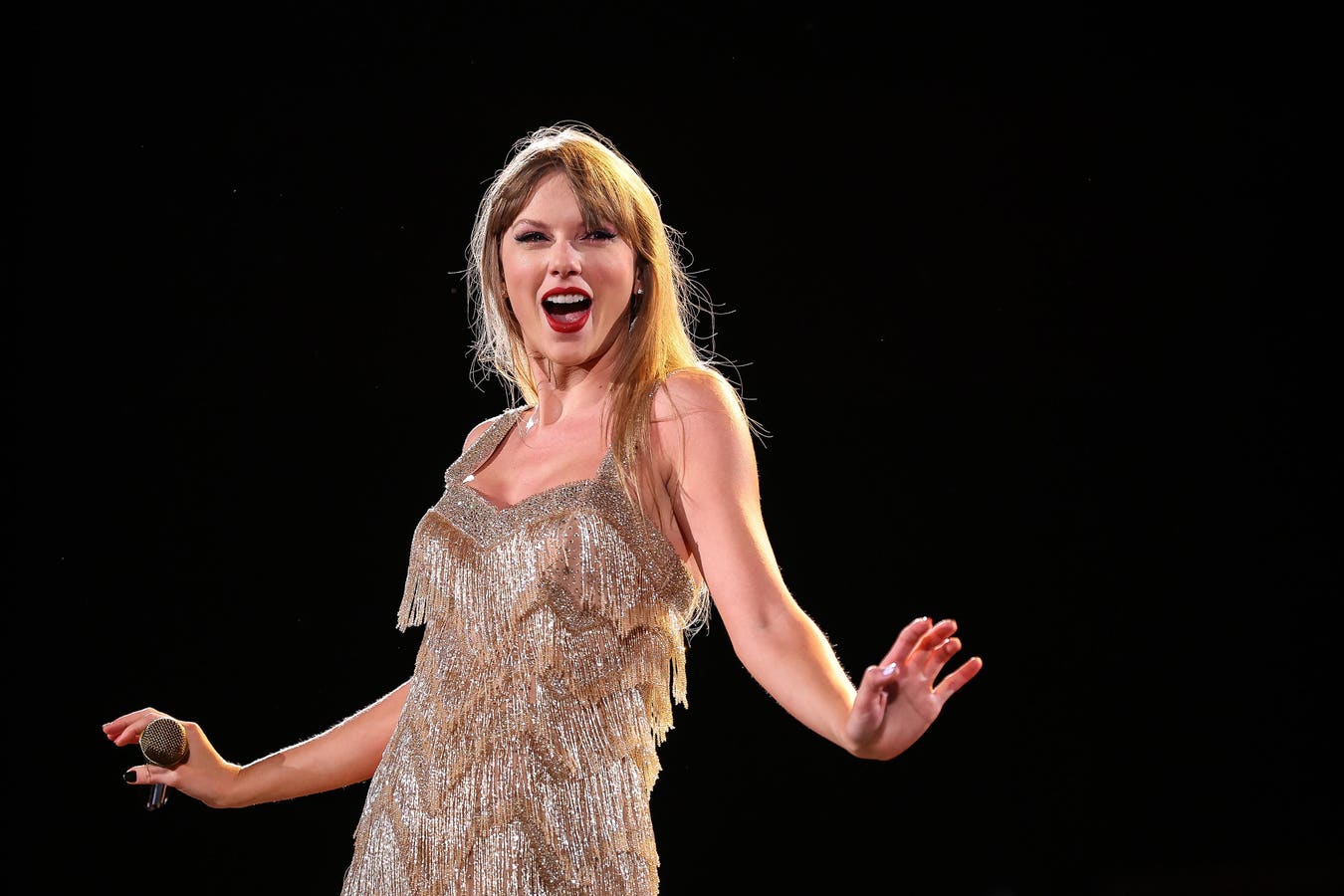
However, there has been little action to actually do much to address the issue until this week, when an explicit deepfake of Taylor Swift went viral, garnering attention from lawmakers and the masses alike. The White House even responded and called upon Congress to take action.
“We are alarmed by the reports of the circulation of images… of false images to be more exact. And it is alarming,” White House press secretary Karine Jean-Pierre said at the White House press briefing on Friday. “So while social media companies make their own independent decisions about content management, we believe they have an important role to play in enforcing their own rules to prevent the spread of misinformation and non-consensual, intimate imagery of real people.”
It was also on Friday that the Screen Actors Guild-American Federation of Television and Radio Artists called for deepfakes to be made illegal after the technology was used recently to generate explicit images of Taylor Swift as well as a new comedy special that featured the late George Carlin.
“The sexually explicit, A.I.-generated images depicting Taylor Swift are upsetting, harmful, and deeply concerning,” SAG-AFTRA said in a statement.
Will There Be Swift Action?
Deepfakes may have been seen as a serious problem, but now that it has involved pop superstar Taylor Swift, it appears there may finally be swift action taken to address it.
“The Taylor Swift deepfakes are obviously damaging to her brand, if not also evidence of a theft of intellectual property. After all, a high-quality deepfake—and I hate to use the word ‘quality’ in reference to the images that just circulated—relies on many original images which surely belonged to others. Those images are grist for the AI mill which mashes them until they tell a story of someone else’s choosing,” explained Dr. Jim Purtilo, associate professor of computer science at the University of Maryland.
However, Purtilo warned that we’re still just seeing the beginning of the potential dangers of deepfakes.
“Public figures will soon be endorsing political candidates, promoting schlock products and enabling scams—or so it will seem,” he added. “With enough computational power, any miscreant can who can get their hands on enough original images can manufacture all manner of fraudulent media to deceive the public. And nothing I’ve seen so far of the proposed regulation will have any impact on that trend, since the computation will only become more accessible, cost-effective and easy to use.”
More Than Edited Photos
Ever since the technologies were developed, there has been manipulation of photos, film and video. A famous photo of then Union General Ulysses S. Grant on horseback was actually among the first “edited” photos—where his head was put on another officer’s body.
What is different now is how easily it is to create the deepfakes. Virtually no skills are required.
“We have been here before. In the early 2000s, the confluence of rapidly evolving photo editing tools, Web distribution services and commercial porn sites resulted in the images of popular artists, like Britany Spears and Madonna, being ‘shopped’ onto X-rated photos. Trying similar tactics with video was technically problematic but today’s deepfakes enable porn producers to create seemingly realistic images out of whole cloth,” noted technology industry analyst Charles King of Pund-IT.
“I’m not sure there’s a way out of this. At one level, AI-related issues that came up during the recent Screen Actor Guild (SAG) strike, regarding legislation that enabled performers to ‘own’ their physical images and voices, would provide a legal means to challenge and curtail the creation of deepfakes,” King added.
Yet, even those affected would still need to track down the responsible parties who created the fakes.
“Additionally, we’re already seeing Meta, X and other social media companies claiming that they are ‘working to remove’ Swift-like deepfakes,” King continued. “We’ve heard this song from those companies before but Swift’s public position, clean-cut media persona and sizable financial assets would make her a formidable adversary if she chose to sue them for allowing the posting, circulation and sharing of bogus, defamatory images.”
It may be necessary to hold the platforms hosting such content, even briefly, responsible.
“Hitting social media, Internet and other tech giants in the pocketbook isn’t always successful. But it is typically the best way to get their attention and change bad behaviors,” said King.
Beyond A Public Image
The explicit images posted on X, the social media platform formerly known as Twitter, amassed more than 27 million views in less than 24 hours after being posted. There is certainly a danger that if she failed to take action, it could hurt her brand, just as the AI-generated “comedy special” of the late George Carlin could tarnish his legacy.
Yet, the biggest threat from deepfakes might be one that could impact average Americans, who don’t have powerful guilds to help protect them.
“The biggest problems in our future will be from those using this technology to facilitate phishing and identity theft once the tools are good enough to create realistic fakes depicting non-public figures who have less original media for use in training,” added Purtilo.
Read the full article here



