


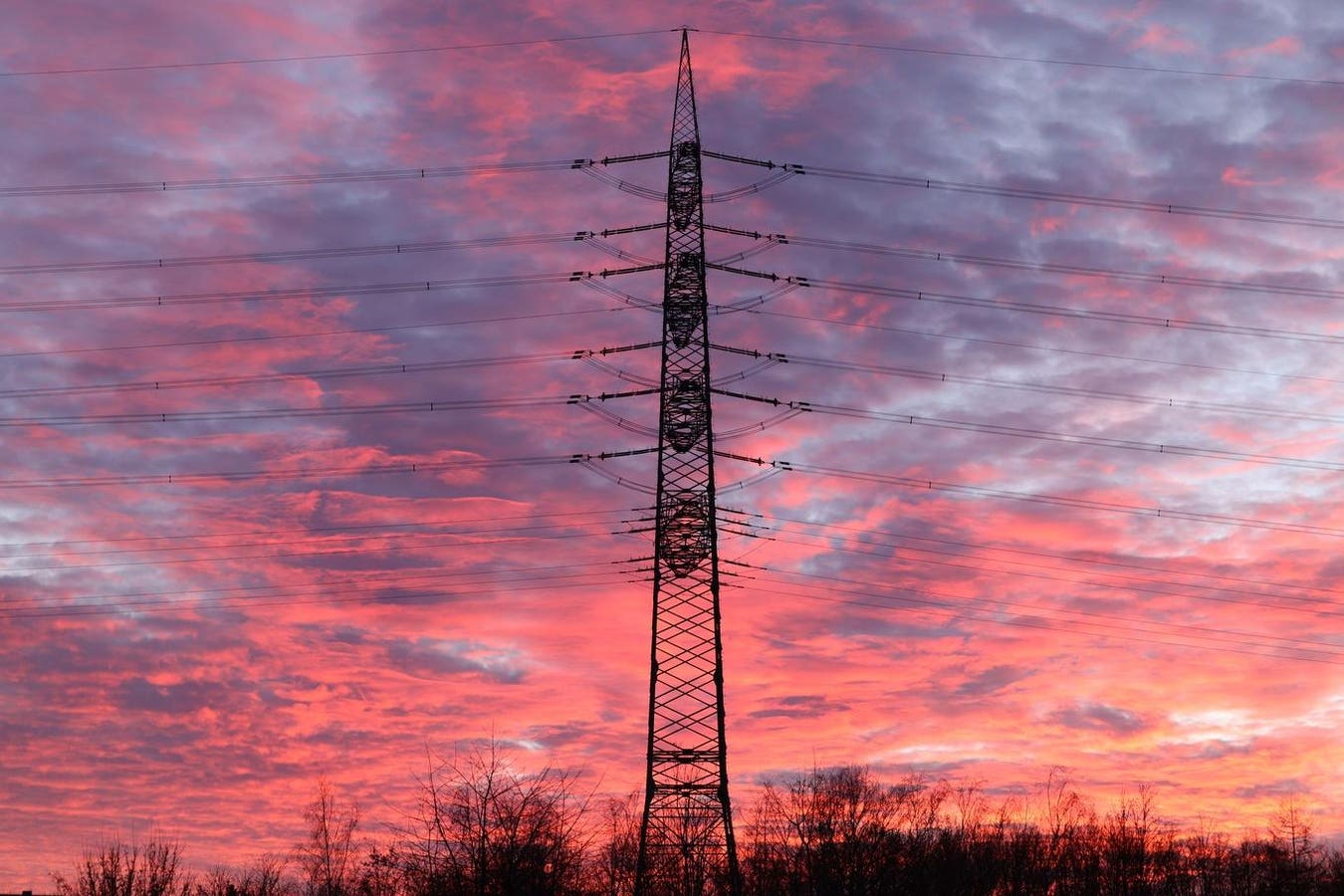
It’s a precarious situation for those tracking developments in the power sector. Leaders at COP 28—the most significant climate conference—committed to tripling renewable energy by 2030. This target is fantastic news for addressing climate change. However, the uncertainty surrounding the critical grid infrastructure—necessary for distributing renewable energy to homes—is unsettling. The slow progress in grid development is casting doubt on whether grids can handle the surge in renewables.
The International Energy Agency’s renewable report for 2023, released last week, highlighted that at the current pace, we will be able to increase renewable capacity 2.5 times, and the target of tripling renewables is also feasible. Still, a critical challenge that it identified is the appropriate grid infrastructure to integrate them successfully.
Even in advanced economies, grid infrastructure must be improved for current demands. The US power grid, for example, needs to be updated for transmitting modern renewables. Over 930 gigawatts of renewable energy, vital for an 80% renewable share by 2030, is currently sitting in queues awaiting transmission access, the Department of Energy reported. In other advanced economies, similar challenges exist. The UK lost enough wind energy to power 1 million homes due to grid integration issues. This happened when wind farms in the north were shut down because their energy couldn’t be efficiently integrated into the southern power distribution networks, which handle the majority of the UK’s electricity demand. In the past year, recognizing the grid as a critical area for renewable energy expansion, countries have initiated various programs to address this challenge.
However, initiating programs is not sufficient anymore; ensuring their completion is crucial. For instance, the US Department of Energy announced investments of up to $3.5 billion for grid innovation and resilience, funding 58 projects across 44 states. Despite these efforts, a Federal Energy Regulatory Commission report indicates that only half of the projects—1,204 out of 2,088—have a high probability of completion. This highlights a significant gap between program initiation and project completion. Much of the delay in grid development occurs because multiple pieces need aligning—regulators, permits, approvals, voltage matches, integrated networks, community acceptance, etc. Learning from global experiences may provide valuable strategies to expedite and successfully complete these essential projects.
Champions To Lead Grid Development
To address some of its grid woes, the UK recently appointed its first Electricity Networks Commissioner, with a mandate to prioritize grid and network integration. In a letter to the Secretary of State, the new Commissioner gave recommendations, including forming an expedited working group, training more young engineers, educating the community and reducing generator wait time. Some are already hailing the appointment as a positive step to reform the UK’s power system. Of course, there is still time to judge on how effective this will be. But there is merit in being optimistic.
Communicate The Progress
With information technology, creating dashboards to monitor and track progress against targets is feasible. An example is the power department in India, which uses a dashboard to display targets and achievements. This online dashboard offers detailed information on hundreds of projects nationwide, including transmission line lengths, executing agencies, and a transparent mechanism for tracking progress. Such a public dashboard ensures both transparency and accountability in meeting set targets.
It’s not just about starting the race of renewables; it’s about finishing it in time with appropriate grid infrastructure to meet our ambitious climate goals. That will be possible with faster grid development and more transparent communication about progress. While all key stakeholders, from investors to governments, are aware of the challenges in grid development and are actively addressing them, the real test now lies in ensuring these efforts keep pace with the rapid expansion of renewable energy.
Read the full article here



