


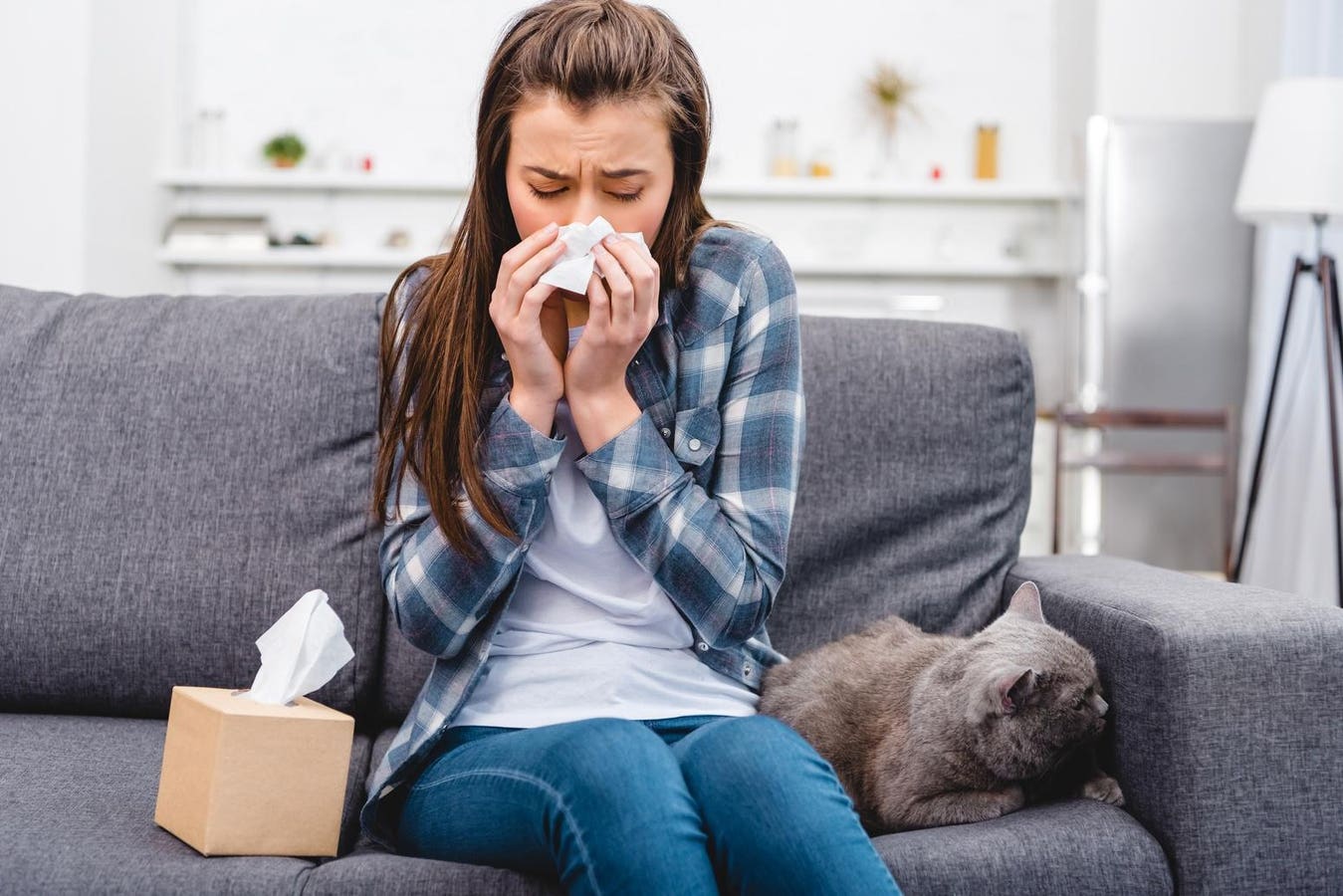
Imagine experiencing the seasonal allergies that many people get in the Spring, Summer, and Fall—except without all that warmer and nicer weather stuff. Well, that’s what having Winter allergies can be all about. It’s when you suffer the same types of symptoms that clobber those with tree pollen allergies in the Spring, grass pollen allergies in the Summer, and ragweed allergies in the Fall. But this occurs in the middle of Winter when temperatures typically drop through much of the country and push most daily activities indoors. And here’s another wonderful difference. While you may be able to avoid all that outdoor plant allergen stuff during the March through November time frame by staying indoors, things may actually be worse indoors for Winter allergy sufferers. Talk about the hazy shade of Winter.
What causes Winter allergies?
That’s because the things that may lead to Winter allergies tend to be located inside your home, your office, your club, that place where you get chicken wings or wherever you may spend your time away from the elements. Typically, it isn’t outdoor plant stuff that causes Winter allergies unless you are in a location where plants are still blooming November through February. Instead, the Winter allergy culprits are most often stuff like dust, dust mites, dust mite poop, mold, pet dander, pet poop, parasites, cockroaches, cockroach poop, rodents, rodent poop and rodent pee. Yep, lots of things poop so that even if you don’t see it, poop there is. And if you haven’t figured it out yet, poop can be bad news.
When you have allergies, your immune system reacts to substances that usually aren’t true dangers to your body. Sure, the idea of breathing in some rat poop may not be on the top of your list for a Saturday night. But it’s not as if rat poop is going to threaten you or start punching you in the face. That’s why immune systems normally don’t react to the presence of stuff like rat poop.
What are the symptoms of Winter allergies?
If you have Winter allergies, though, rat poop and other indoor allergens can cause your immune system to clap back, leading to those classic seasonal allergy symptoms such as watery and itchy eyes, a runny or stuffy nose, post-nasal drip, sneezing, coughing, dry and itchy skin, rashes or even wheezing and shortness of breath. Seeing such symptoms during the Winter months may make you think of a common cold or some other type of respiratory infection. Indeed, it can be difficult to tell for sure whether you are experiencing Winter allergies rather than something contagious. That’s why you shouldn’t simply announce to the office that you just have allergies when you are not really sure and then proceed to get everyone infected. Therefore, it is better to maintain infection control precautions even though you may believe your symptoms are due to Winter allergies.
So, how do you tell if your symptoms are due to allergies? Well, the key to this and life in general is timing. While cold symptoms may last a few days to a week, Winter allergy symptoms will keep going and going and going. As long as the allergens—meaning the substances triggering your immune system—are still hanging around and you are trapped indoors with them, you will continue to suffer symptoms.
Now, stuff like dust, dust mites and rat poop are probably around year round. However, reactions to such indoor allergens can be greater during the Winter when more time is spent indoors and indoor ventilation may be less with windows and doors shut. Furthermore, the air inside tends to be drier during the Winter for two reasons: one, there less moisture in the cold Winter air outside and two, many indoor heating systems will recycle this dry air without humidifying it. Drier air can dry out your skin and respiratory tract membranes, which, in turn, can leave them more vulnerable to irritation and damage.
How do you prevent Winter allergy symptoms?
So what can you do to prevent and reduce Winter allergy symptoms besides stop holding raves for rats inside your house? Here are some steps to take:
- Keep you living quarters as clean and dust-free as possible. That means dusting and vacuuming thoroughly and frequently and not just in a hide-everything-so-that-the-guests-can’t-see way. Dust can accumulate in hidden places such as under your bed and dresser, behind your curtains and on stuffed toys and various other decorative stuff. It may be good idea to minimize unnecessary dust-collecting stuff such as those One Direction throw pillows.
- Minimize your contact with dust mites. Steps you can take include covering your pillow and mattresses with hypoallergenic covers and laundering your bedding regularly. Washing your bedsheets more often can help other parts of your life as well.
- Keep your indoor air as clean as possible. Using an air purification system can help. But make sure that it really works, has fresh filters and doesn’t simply blow around dirty air.
- Take care of your animal housemates. Keep your pets well-bathed and well-groomed. It’s not enough to give them coupons to the local spa or hand them a bar of soap and say, “Go for it.” You also may want to limit where your pets go so that they don’t pick up and carry around allergens and spread their dander everywhere.
- Eliminate pests. Don’t leave food laying around to attract rodents and insects. Have a low threshold for calling an exterminator.
- Beware of mold accumulation. Keep your floors, countertops, sinks, toilets and other surfaces as dry as possible so that mold or mildew don’t grow. While humidifying the air can help combat dry skin and dry membranes, keeping your home like a sauna can promote the growth of mold too.
How do you treat Winter allergy symptoms?
Of course, unless you live in the clean room at NASA, it’s likely impossible to keep your home completely allergen-free. If your symptoms persist despite all of the above, you may need over-the-counter medications such as antihistamines, decongestants, eye drops and nasal sprays to control your symptoms. If these don’t work or you are having more severe symptoms such as difficulty breathing, contact your doctor. Your doctor may prescribe stronger measures such as immunotherapy and better pinpoint what specific allergens are causing you trouble by administering allergy tests. This way instead of staying clear of like everything, you can know more specifically what to avoid.
Winter allergies can make Winter doubly difficult to deal with since few people would begin a sentence with, “The great thing about having Winter allergies is.”
Read the full article here



