

Close Menu
  • Home
  • News
  • Startups
  • Innovation
  • Industry
  • Business
  • Green Innovations
  • Venture Capital
  • Market Data
    • Economic Calendar
    • Stocks
    • Commodities
    • Crypto
    • Forex
Facebook X (Twitter) Instagram
[gtranslate]
Facebook X (Twitter) Instagram YouTube
Innovation & Industry
Banner
  • Home
  • News
  • Startups
  • Innovation
  • Industry
  • Business
  • Green Innovations
  • Venture Capital
  • Market Data
    • Economic Calendar
    • Stocks
    • Commodities
    • Crypto
    • Forex
Login
Innovation & Industry
Innovation

Mysterious Meteor Shower Could Light Up Skies Tonight In Rare Outburst

News RoomNews RoomDecember 2, 2023No Comments2 Mins Read

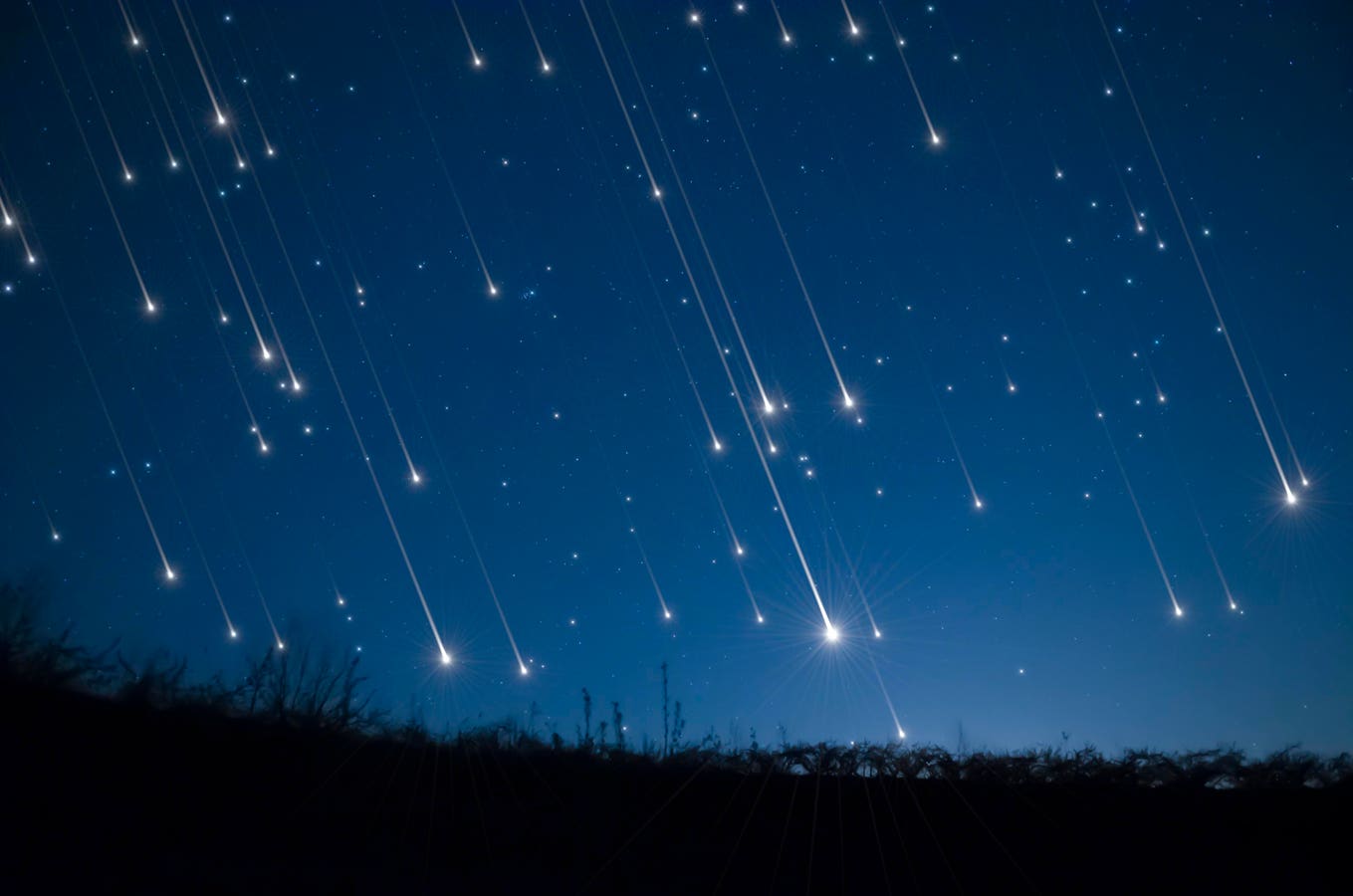
A very rare meteor shower could light up night skies Saturday night into Sunday morning, with up to 200 shooting stars per hour according to some predictions.

The shower is known as the December phi Cassiopeiids (DPC) #446, according to the American Meteor Society (AMS).

“Studies revealed that these meteors were related to the 1649 perihelion passage of the long lost comet known as 3D/Biela,”writes Robert Lunsford for AMS. “This comet is well known for the Andromedid meteor storms produced in 1872 and 1885.”

The show last caught skywatchers by surprise in 2011.

“All our available meteor detections equipment, cameras and radar, is watching in anticipation,” Paul Wiegert from the University of Western Ontario, who has been researching to intermittent and unusual shower for years now, told New Scientist.

Most meteor showers tend to peak at the same time each year as Earth passes through clouds of debris annually. These clouds are left behind by comets and other objects as they visit the inner solar system.

Sometimes, though, Earth passes through a particularly dense cloud of detritus causing what’s known as an outburst or even a meteor storm. There’s a small chance an outburst happens tonight.

“The possible display this year is predicted to peak near 19:00 Universal Time on December 2nd, which favors Europe, northern Africa, and western Asia,” writes Lunsford. “The sun sets in North America some 3-4 hours after the predicted outburst. Should the activity occur later than expected, this would be a prime area to view from.”

Read the full article here

Related Articles

New Era Of NIL: What Every Athlete & Creator Can Learn From Dave Chapelle

Innovation April 16, 2024

Keep Playing Your Dungeons & Dragons Characters After The Campaign

Innovation April 16, 2024

Intel Announces Gaudi 3 Accelerator For Generative AI

Innovation April 16, 2024

‘Escape From Tarkov’ Balance Patch Tweaks Streets Loot And Rare Spawns

Innovation April 16, 2024

Generative AI Is Going To Shape The Mental Health Status Of Our Youths For Generations To Come

Innovation April 16, 2024

Broadcom’s Acquisition Of VMware: A New Dawn For Managed Service Providers

Innovation April 16, 2024
Add A Comment
Leave A Reply Cancel Reply

Copyright © 2026. Innovation & Industry. All Rights Reserved.
  • Privacy Policy
  • Terms of use
  • Press Release
  • Advertise
  • Contact

Type above and press Enter to search. Press Esc to cancel.

Sign In or Register

Welcome Back!

Login to your account below.

Lost password?