


For a person whose company is firmly tethered to terra firma, Brad Hartwig spent a long time trying to leave it.
As a high schooler, Hartwig built a pedal-driven helicopter after reading about a human-powered helicopter competition in Popular Science. (It didn’t win.) He then went to USC for aerospace engineering, where he and his team built a rocket to go to space. (It did.) After graduating, Hartwig worked on the engines for SpaceX’s Dragon so the crew and cargo spacecraft could dock with the International Space Station. (It did, safely.)
Then he decided that he didn’t just want to build things that went to space; he wanted to go himself. So he set out to burnish his résumé to become a NASA astronaut candidate, serving in the California Air National Guard and volunteering for Marin County’s search and rescue team responding to wildfires. He also worked for a short time as a flight test engineer for Kittyhawk, the Larry Page–backed, ill-fated e-VTOL startup.
“I held on to the astronaut dream a lot longer than the average kid,” Hartwig told TechCrunch+.
He hasn’t let go entirely, but early last year his life took a bit of a detour when he founded Arbor, a startup that builds specialized power plants to remove carbon dioxide from the air.
It’s cliché to say that everything Hartwig had done in life led him to that point, but in this case, it’s kind of true.
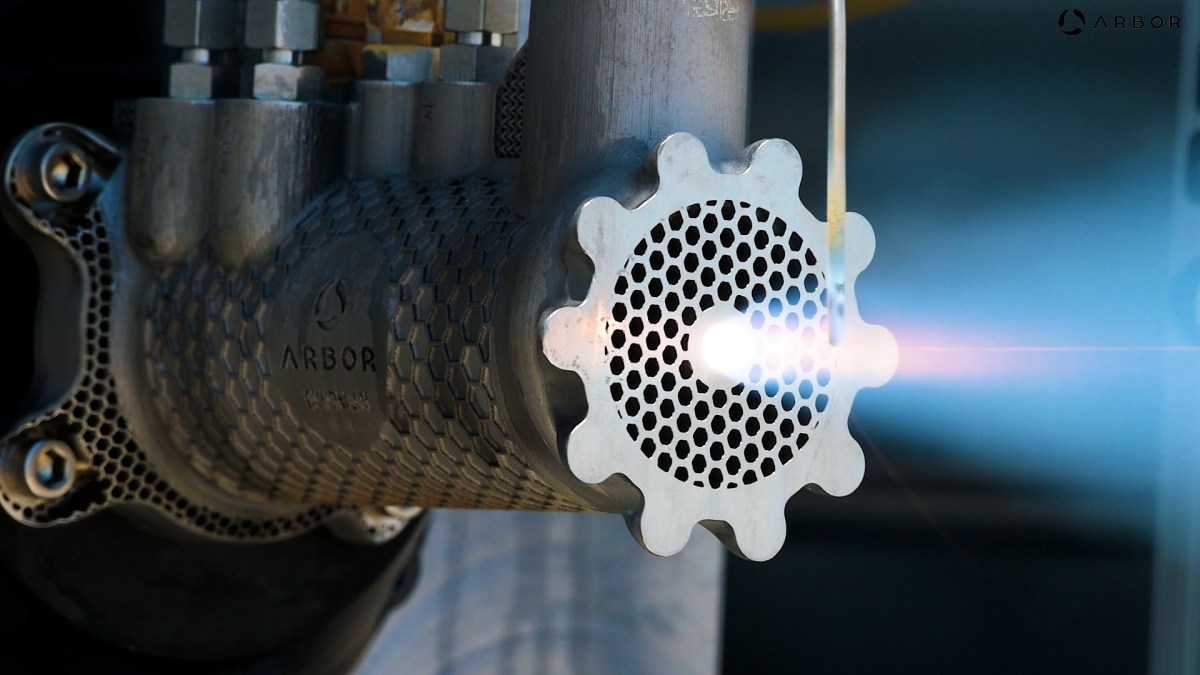
Arbor’s equipment converts waste biomass into syngas, which is then combusted in the presence of pure oxygen to produce pure CO2. The compressed gas is fed through compact turbo machinery similar to that used in SpaceX’s rockets to produce electricity. Hartwig calls it a “vegetarian rocket engine.”
When he first started searching for a way into climate tech, he wasn’t sure his experience at SpaceX would matter, but it turned out to be more applicable than he imagined. Much of Arbor’s technology is derived from the rocket world, including the turbo machinery that generates power and the cryogenic oxygen distillers that supply the oxycombustion unit. His time on the search and rescue team wasn’t wasted, either: He witnessed the massive amount of biomass that resulted from forest-thinning practices meant to reduce wildfire risk. That biomass could become fuel for Arbor’s power plants.
Read the full article here