


Gao Xiangjin used to know all the names of players in the American baskeball leagues, but since relations between the US and China soured, once-daily NBA broadcasts are now far less frequent. So Gao started watching China’s men’s basketball instead, until reports about corruption turned him off earlier this year. He now watches China’s women’s basketball, not on television, but on Douyin, the original, Chinese version of TikTok.
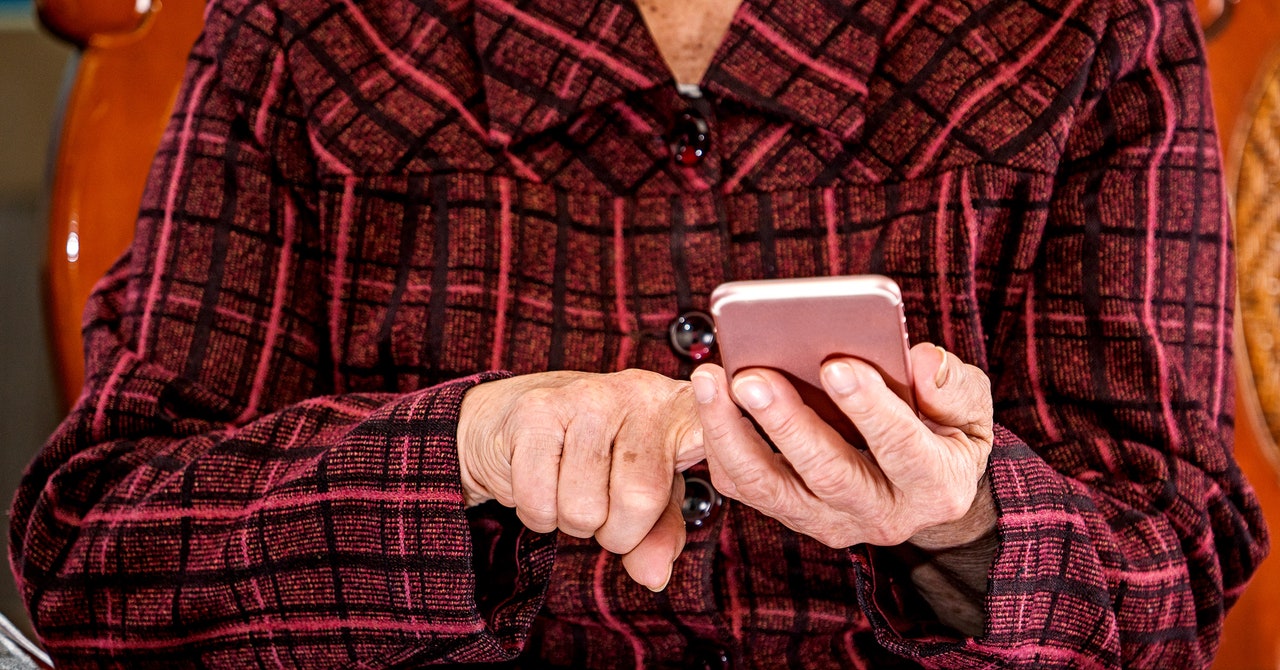
Gao is 69 years old, one of a growing cohort of elderly people who have moved away from television and gravitated to Douyin, China’s most popular short-form video app. There are 267 million people aged over 60 in China, according to official statistics, and while China’s government has tried to limit young people’s use of Douyin, worried about its addictive nature, many of the app’s habitual users are their parents, or even grandparents.
“Whenever he’s not cooking, swimming, or sleeping, he’s on Douyin,” his daughter Helen says. “It’s brainless entertainment. It’s better to be playing with a cat, it’s better to be doing anything else.” She’s not a Douyin user herself. “I already have attention problems,” she says. “Douyin would make that worse.”
A former soldier, Gao follows the Israel-Palestine crisis and the war between Ukraine and Russia through videos made by commentators. He shows me one where a political analyst translates headlines from English-language media outlets, such as The Times of Israel. He watches others for their analysis of military strategy.
While television broadcasts the official viewpoint, Gao says that on Douyin there are often videos from different camps putting their views across. The censors might get to them after a while, but it’s possible to witness a spectrum of opinions. Some of them are speaking with inside experience of the Party system, some are academics studying at Western universities, and others don’t disclose anything about their backgrounds; to many elderly users, they carry the same amount of authority.
Douyin is not just Gao’s source for news, but also basketball shoes. “Just look at those green shoes,” Helen says, gesturing to a pair of eye-catching sneakers on a shoe rack by local brand Tebu. “They’re ridiculous!”
Around once every five videos, Gao says, he gets an advert. Swiping on his phone, there’s a news video, then a woman pops up selling something, followed by news, news, news, then an advert for dates from Xinjiang. Gao is happy with his sneakers, paying just over $27 for them. He says that their quality is better than a pair he bought from Japan for more than four times the price.
Read the full article here





