


It’s 8 pm on a recent night this fall, I’m finally unwinding, and Del Harvey is texting me. Again.
This time she’s sending a screenshot of tense tweets exchanged between the supreme leader of a nation-state and the official Twitter account of a rival nation-state. I respond with a prompt: “Let’s say you’re still at Twitter. How would you handle?” Harvey walks me through her decisionmaking process, then turns the tables: “What would YOU do?” I ask her whether I can sleep on it. She tells me I do not get the luxury of sleeping on it. No matter which call I make, people will despise me for it. And no matter what the outcome is, people could die. “You have to live with making the least bad decision you can with the resources you have,” she writes.
The next morning, another text from Harvey: “Okay, so you’ve slept on it; what’s your call?” The enormity of the decision sits like a concrete block on my chest, and even after considering all angles, I’m certain that whatever choice I make will be a content moderation mistake.
Harvey’s urgency, even 12 hours later, is a reflex: This is exactly what she did for 13 years as the head of Twitter’s trust and safety team. If there was ever an issue around content on the platform, or any issue at all, people would say, “DM Del.” Now, after two years of silence, Harvey has finally decided to talk. She’s pulling back the metaphorical curtain on Twitter’s decisions to mute, ban, and block content over the years—and what that life was like in the pre-Elon era.
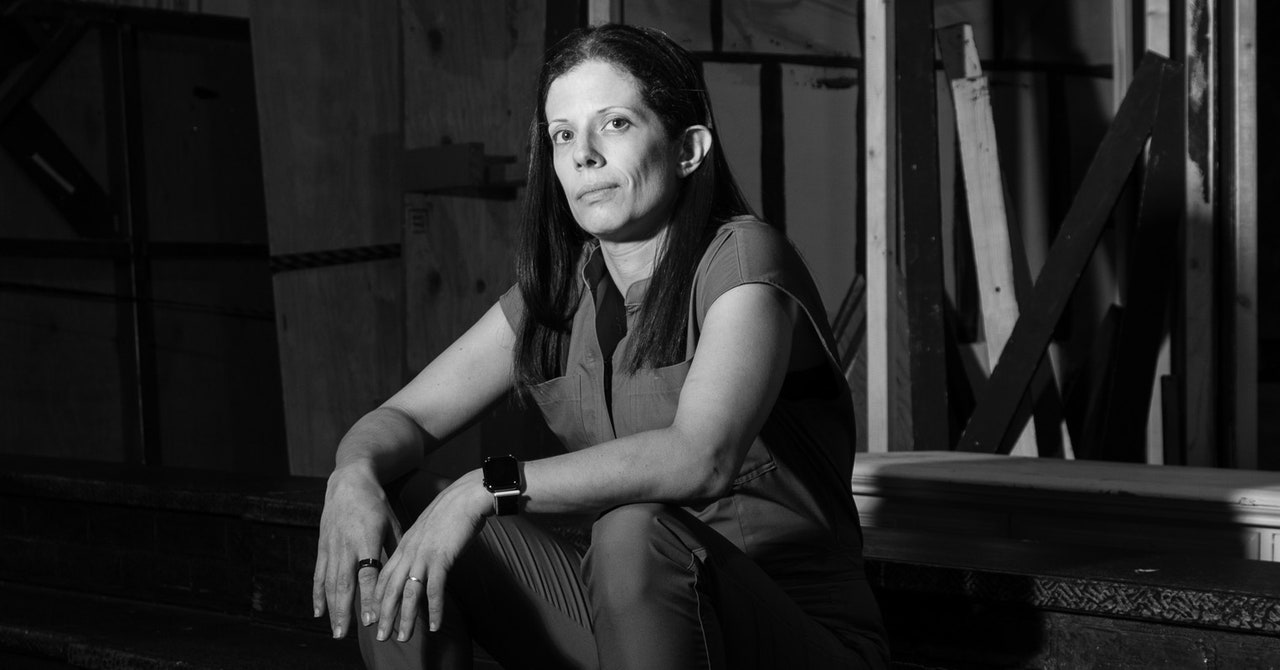
She’s also talking about what her life is like now, pulling back literal curtains and building sets for kids’ theater productions. I can’t say exactly where this theater is because, despite having removed herself from the throes of Twitter, Harvey is still in OpSec mode.
Del Harvey isn’t even her real name. That’s what everyone knows her as—that or maybe @delbius, the online moniker she became famous for. Harvey started shielding her identity back in 2003, when she began working for a nonprofit called Perverted Justice that investigated online predators. Perverted Justice partnered with the NBC series To Catch a Predator, which filmed pedophile sting operations, so Harvey ended up working in TV. She was 21 years old but could pass as 12. This meant she was the decoy. Five years later, when a friend reached out and suggested Harvey take a job at a fledgling tech company, it seemed like a cakewalk compared to catching pedophiles.
Read the full article here





