


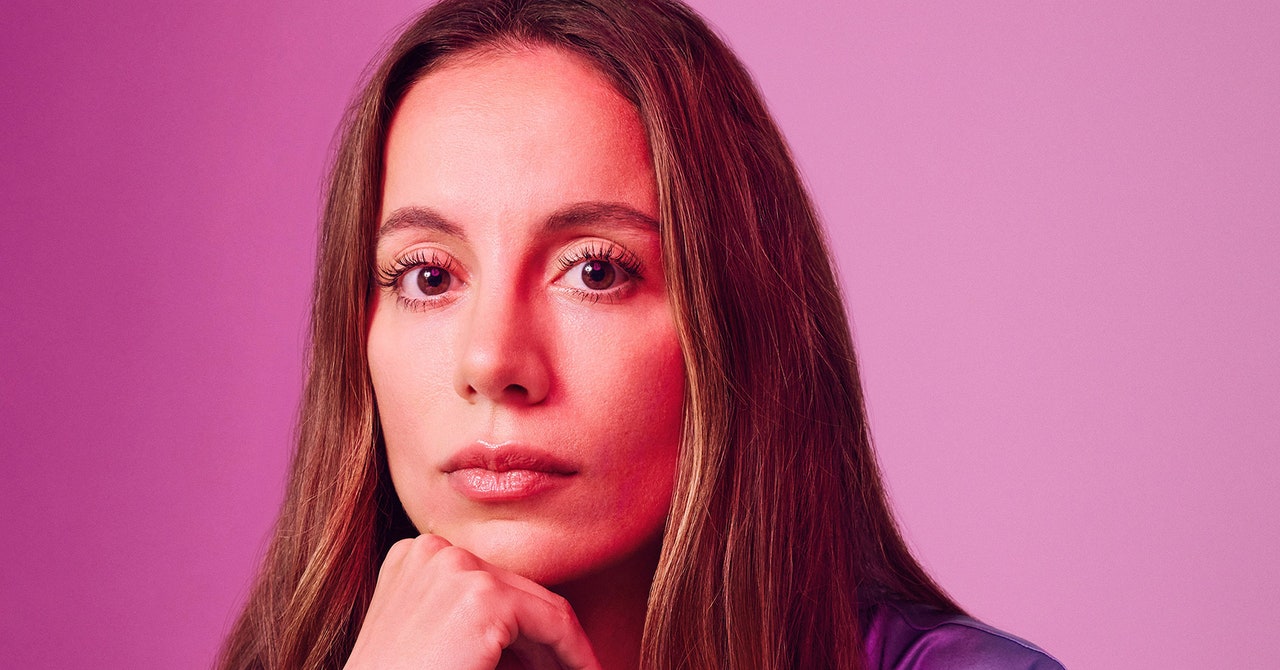
Until the dramatic departure of OpenAI’s cofounder and CEO Sam Altman on Friday, Mira Murati was its chief technology officer—but you could also call her its minister of truth. In addition to heading the teams that develop tools such as ChatGPT and Dall-E, it’s been her job to make sure those products don’t mislead people, show bias, or snuff out humanity altogether.
This interview was conducted in July 2023 for WIRED’s cover story on OpenAI. It is being published today after Sam Altman’s sudden departure to provide a glimpse at the thinking of the powerful AI company’s new boss.
Steven Levy: How did you come to join OpenAI?
Mira Murati: My background is in engineering, and I worked in aerospace, automotive, VR, and AR. Both in my time at Tesla [where she shepherded the Model X], and at a VR company [Leap Motion] I was doing applications of AI in the real world. I very quickly believed that AGI would be the last and most important major technology that we built, and I wanted to be at the heart of it. Open AI was the only organization at the time that was incentivized to work on the capabilities of AI technology and also make sure that it goes well. When I joined in 2018, I began working on our supercomputing strategy and managing a couple of research teams.
What moments stand out to you as key milestones during your tenure here?
There are so many big-deal moments, it’s hard to remember. We live in the future, and we see crazy things every day. But I do remember GPT-3 being able to translate. I speak Italian, Albanian, and English. I remember just creating pair prompts of English and Italian. And all of a sudden, even though we never trained it to translate in Italian, it could do it fairly well.
You were at OpenAI early enough to be there when it changed from a pure nonprofit to reorganizing so that a for-profit entity lived inside the structure. How did you feel about that?
It was not something that was done lightly. To really understand how to make our models better and safer, you need to deploy them at scale. That costs a lot of money. It requires you to have a business plan, because your generous nonprofit donors aren’t going to give billions like investors would. As far as I know, there’s no other structure like this. The key thing was protecting the mission of the nonprofit.
Read the full article here





