


As power generation from sources like solar and wind increases, along with the introduction of devices such as heat pumps and batteries, a new optimization tool created at the University of Surrey will help the UK plan for a greener electricity network.
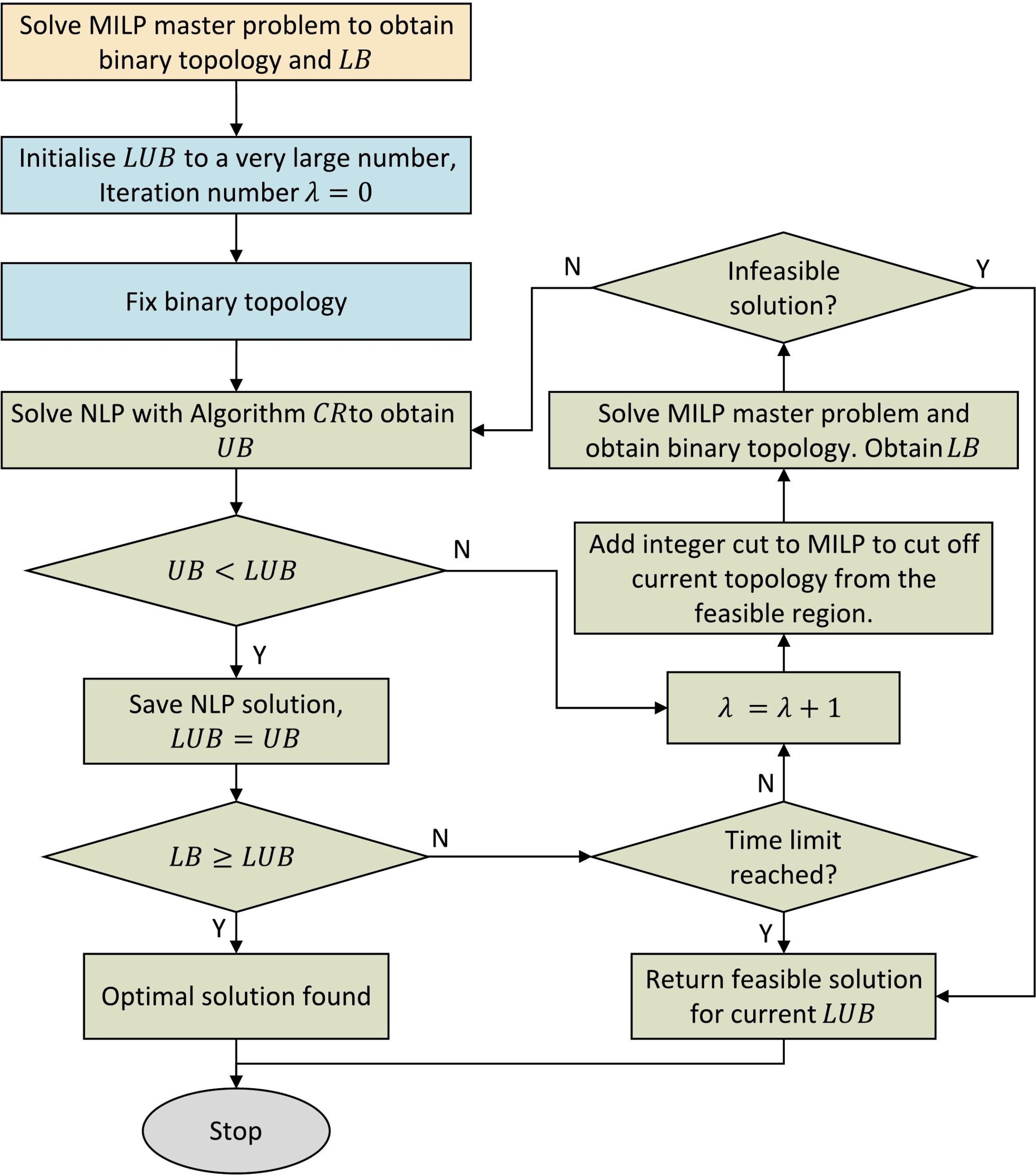
The researchers developed an algorithm to model how these smaller networks distributed electricity—factoring in how local grids could become unbalanced by adding too many heat pumps in a single area or generating more electricity than the grid could accept.
The Surrey team found that it was generally more efficient to generate renewable energy and use it locally, rather than store it in expensive batteries or export it across the grid. The paper is published in the journal Applied Energy.
By adding data on energy prices, government subsidies and demand to the model, the study could suggest the most efficient way of designing local grids.
Dr. Michael Short, Senior Lecturer on Process Systems Engineering at the University of Surrey, said, “Greening the grid is essential, yet it’s an enormous challenge—and it is clear from our modeling that there is no one-size-fits-all approach. Instead, our model shows how local constraints need to be considered when designing new power networks.
“Government now needs to think seriously about whether new subsidies, or even market changes such as pricing electricity differently during off-peak periods, are needed to enable communities to move towards net zero.”
Their model could also suggest the best size of heat pump for a particular setting. In future, this could help households avoid being oversold large appliances, and avoid damaging local grids.
Dr. Ishanki De Mel who worked on the project at Surrey said, “Changes in energy prices, the cost of batteries, or government subsidies, can all have large effects on which solutions are best for a particular location.
“Our research could help shape Government policy—revealing clearly how effective subsidies and system design can pave the way for net zero initiatives.”
More information:
Ishanki De Mel et al, Discrete optimal designs for distributed energy systems with nonconvex multiphase optimal power flow, Applied Energy (2023). DOI: 10.1016/j.apenergy.2023.122136
University of Surrey
Read the full article here


