


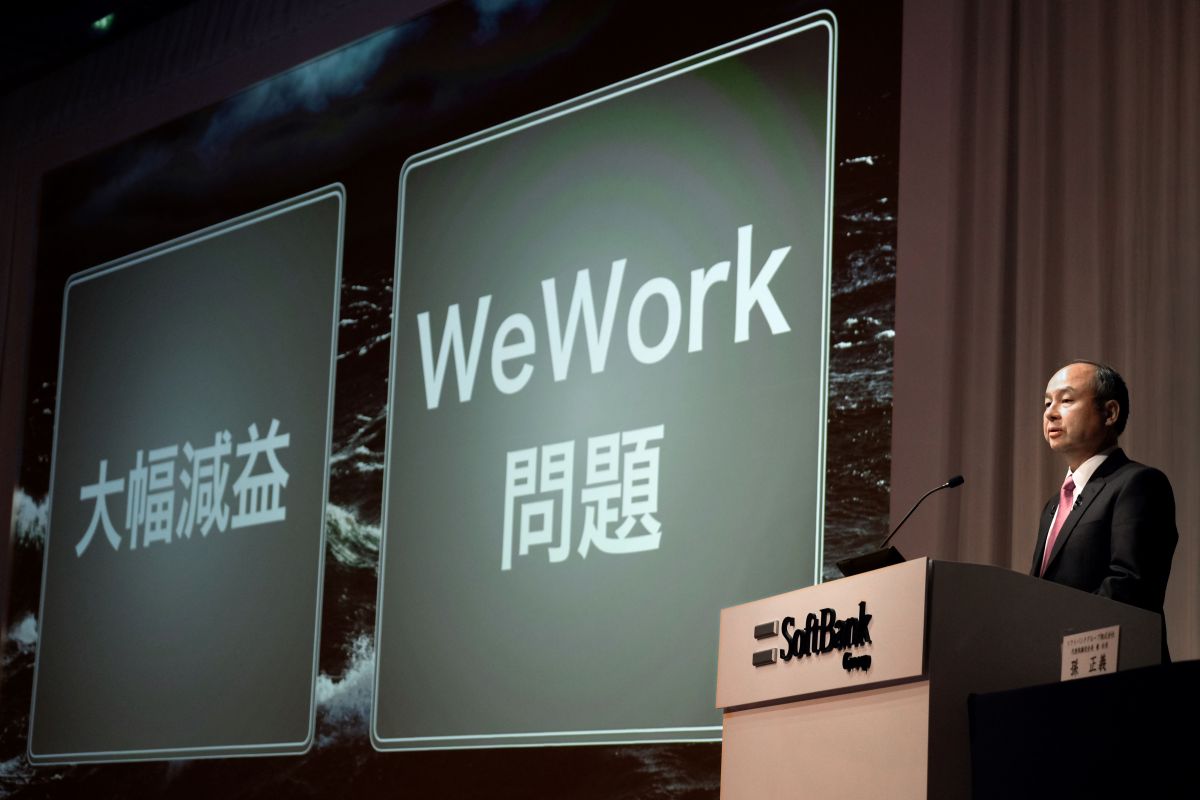
WeWork’s bankruptcy filing has arrived. The well-known flexible office-space company has filed for Chapter 11 bankruptcy protection in the United States and Canada, seeking to convert certain debts to equity investments, and “further rationalize its commercial office lease portfolio.”
The Exchange explores startups, markets and money.
Read it every morning on TechCrunch+ or get The Exchange newsletter every Saturday.
In fewer words: WeWork wants out of some of its leases while keeping its lights on so it can shed liabilities and get its business to a point where it can self-sustain. For more on the nuances of the filing, see TechCrunch’s coverage of the news.
 This morning, let’s talk about WeWork’s economics. Did the company’s business ever make sense? To answer that question, we’ll go over its S-1 filings, its SPAC deal and early earnings reports.
A history of unworkable economics
To start, we have to rewind the clock to 2019.
There was a time when WeWork was a hot, venture-backed company. Heading into its IPO filing, the market knew that the company was quite unprofitable, but as with all private companies, WeWork’s lack of clearly delineated results made it seem more appealing. It was not until the company filed to go public that we really learned how it had financed its impressive growth rates.
And grow WeWork did. It went from revenue of $436.1 million in 2016, to $886 million in 2017, $1.82 billion in 2018, and $1.54 billion in the first half of 2019.
That growth came at a massive cost. The company’s operating losses swelled from $931.8 million in 2017 to $1.69 billion in 2018, and then to $1.37 billion in the first half of 2019. In short, WeWork grew quickly but had to burn piles of cash to do it.
Read the full article here