


To meet the rising global demand for electric vehicles, we need new and improved batteries. One promising candidate are all-solid-state lithium sulfur batteries. They can store nearly 10 times the amount of energy as traditional lithium-ion batteries, according to researcher Justin Kim.
This type of rechargeable battery uses sulfur, a material that is affordable, readily available, and more environmentally friendly, and it is also significantly safer, according to Kim. This means that your electric vehicle could cost less to purchase, drive longer distances on a single charge, and be a safer ride for your family.
“The fundamental understanding of this type of battery is very limited right now because it’s an emerging technology,” said Kim, who studied lithium sulfur batteries during his Master’s degree at Western University and is now working on his Ph.D. at the University of California in Los Angeles in the same field. “So, not much is known about their operational mechanism and their failure modes, and this information is really important for designing longer-lasting, high-energy density batteries.”
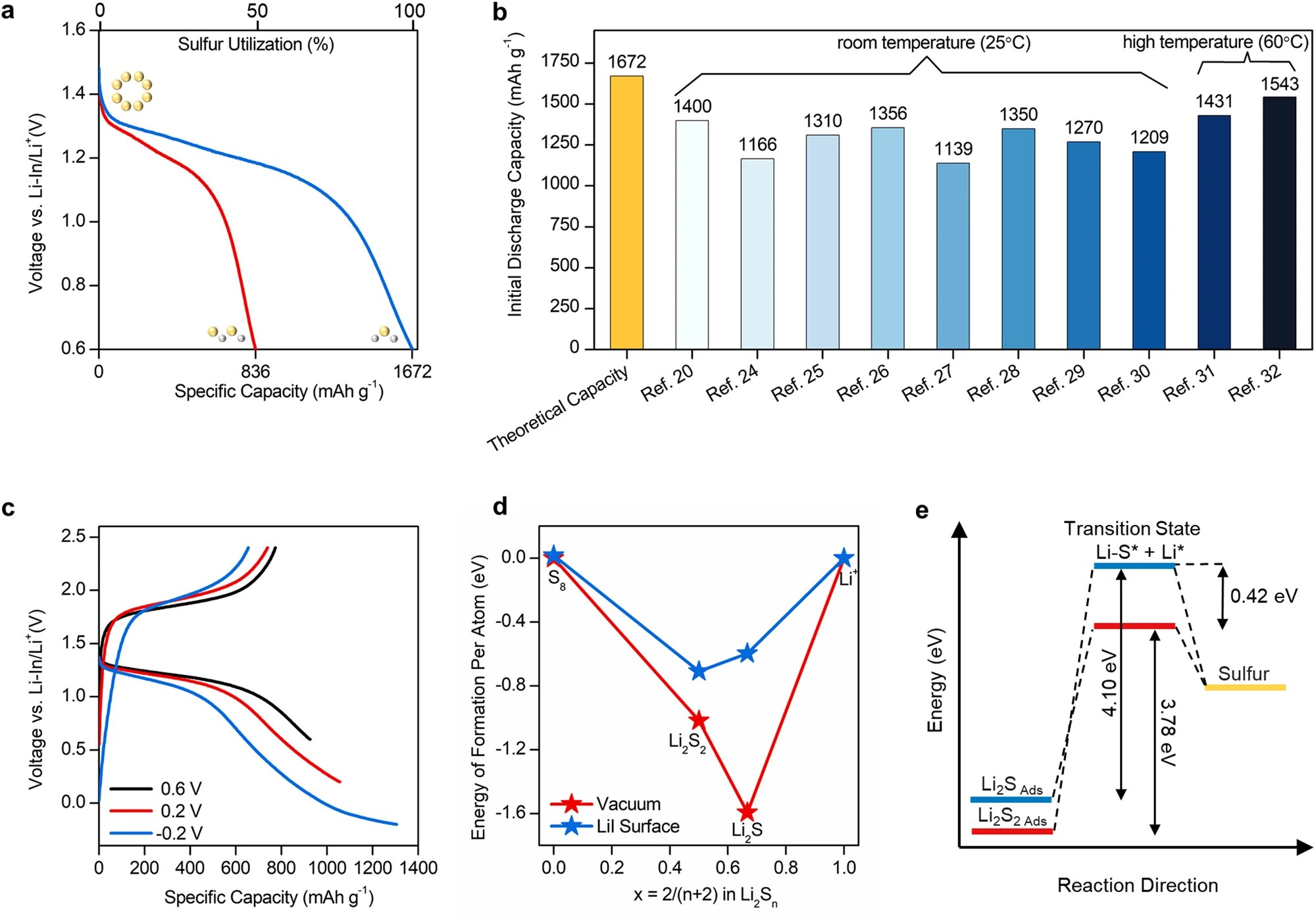
Kim and colleagues at Western University used the Canadian Light Source (CLS) at the University of Saskatchewan to analyze what happens inside these batteries when they are in use. They identified which species of sulfur are formed in the battery during its operation and how this could reduce performance or cause the batteries to fail. Their findings were published in Nature Communications.
“The research we were able to do at the CLS really enabled us to better understand how these batteries work,” said Kim. “With these new insights, we were able to form new design principles that can further improve the battery’s performance, including the lifetime of the battery and how much energy it can store.”
The team is hopeful that they can accelerate the implementation of this new technology into everyday use within the next five to 10 years.
“These batteries are a really promising candidate for use in electric vehicles and a lot of new emerging technologies, such as electric aviation,” he said.
When he was growing up, Kim was inspired by the sulfur deposits that his family would drive by in Vancouver. The city has giant mounds of the yellow resource piled near the coast. “I found it really fascinating that you can use sulfur as a material in a battery,” he said. He is excited about the potential for this material that is abundant in Canada and beyond.
“I’m passionate about this field because I think that it can contribute to mitigating the effects of climate change and also help society transition towards electromobility and some next-generation applications for electricity.”
More information:
Jung Tae Kim et al, Manipulating Li2S2/Li2S mixed discharge products of all-solid-state lithium sulfur batteries for improved cycle life, Nature Communications (2023). DOI: 10.1038/s41467-023-42109-5
Canadian Light Source
Read the full article here


