


When insurrectionists stormed the US capitol on January 6, 2021, in support of former president Donald Trump, Meta had to confront the reality that world leaders—even those in democratic nations—might use its platform to call for violence against their own citizens and political rivals. The company had long kept a policy that forbade users from inciting attacks, but political figures had typically been given greater leeway, on the basis that a tech platform couldn’t be seen to interfere in political discourse.
But, facing immense pressure, Meta did, finally, suspend Trump’s Facebook account on January 7, and later announced a new policy on incitement to violence by public figures on its platforms, which threatens bans of between six months and two years for violations.
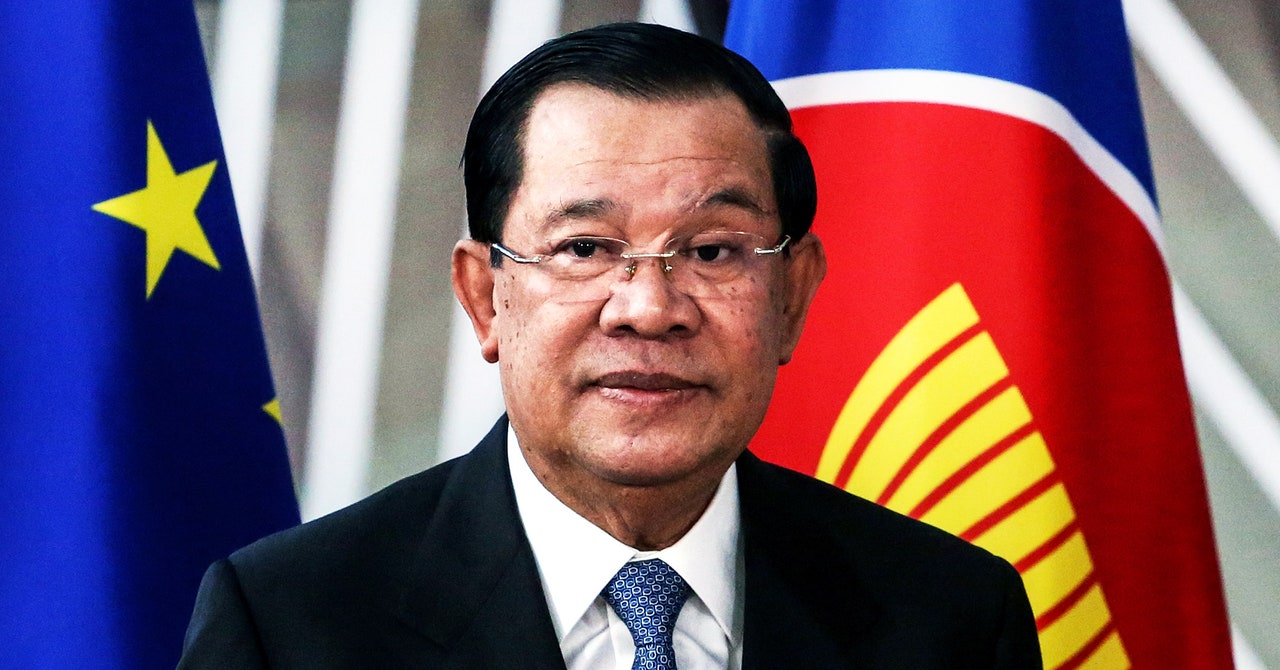
That policy was tested this January in Cambodia, when the autocratic prime minister Hun Sen went on a livestream to threaten opponents of his Cambodian People’s Party, saying he would “gather CPP people to protest and beat you up,” and send “gangsters” to their houses. Hun Sen, who has 14 million followers on Facebook, has a credible history of violence and intimidation against activists and political opponents. Though the video was reported for violating the company’s policies against hate speech and incitement, Meta left the video up, arguing that Hun Sen, as a world leader, made the video newsworthy. In June, Facebook’s independent Oversight Board, which makes judgements on select content moderation decisions, said that the platform had made a mistake, requiring it to remove the video and recommending that Hun Sen’s Facebook page and Instagram account be suspended for six months. The company took down the video, but said it would conduct a review of the board’s recommendation to suspend Hun Sen’s accounts.
Meta usually implements the Oversight Board’s recommendations. But this time, the company seems to be hesitating. It has until August 28 to review the board’s recommendation, and take action—or not—on Hun Sen’s Facebook page. The company now faces a decision that is fraught with risk, with consequences for itself and for users in Cambodia, and which could set an important precedent ahead of 2024, when more than 30 countries—including the US, India, Indonesia, Mexico, and the UK—are due to hold elections. How Meta deals with Hun Sen’s account could set precedent for the standard to which world leaders are held on its platforms, which are used by billions of people around the world, and test the legitimacy of the Oversight Board.
“The difficulty is going to be where you draw that line of when a world leader demonstrated enough that they should be kicked off the platform,” says Katie Harbath, a fellow at the Integrity Institute and who formerly oversaw Facebook’s elections operations until 2021. “No platform has taken action in the middle of an election in terms of taking down a world leader. What does this look like in the case of India? Or Indonesia, or Mexico, all of these countries with elections next year?”
Just hours after the Oversight Board’s decision was released on June 29, Hun Sen announced on Telegram, where his channel has just over 1 million followers, that he would be leaving Facebook, and took down his page. The Cambodian government issued a ban on all of the Oversight Board’s members, and Hun Sen threatened to shut off access to Facebook in the country. But the departure didn’t last long. On July 20, three days before Cambodia held national elections, the page returned, managed by one of Hun Sen’s advisers, Duong Dara.
Read the full article here





